
TRACEABILITY · KNOWLEDGE CENTRE
Traceability Knowledge Centre: from farm plot to finished product
How supply chain traceability works, in plain English: the data you need at each step, chain-of-custody models, and what traceability means for agriculture, food, tyres, GI products and GS1 EPCIS. Read it here or download the full guide.
Written by the team behind India's national rubber traceability programme and EUDR-ready supply chains for tyre makers, coffee exporters and rubber processors. Updated November 2026. General information, not legal advice.
At a glance
Why traceability is now a condition of trade
30 Dec 2026
The EU Deforestation Regulation applies: seven commodities need plot-level origin data to enter or leave the EU.
20 Jul 2028
The US FDA will not enforce its Food Traceability Rule (FSMA 204) before this date. Records for listed foods are due from then.
800+
Geographical Indication tags registered in India, each one a promise about origin that buyers want proved.
1.2 million
Rubber farmers covered by India's national rubber traceability programme, built on TRST01Chain.
01 · The basics
What supply chain traceability is

Traceability is the ability to follow a product, and the materials in it, through every step of its life: where it was grown or made, who handled it, what it was mixed with or turned into, and where it went next. It answers two questions with evidence rather than claims: where did this come from? and where did it go?
Most companies already know their direct supplier and their direct customer. That is “one step back, one step forward” traceability, and it is the legal minimum in many food laws. The new rules ask for more: a continuous, verifiable chain from the farm plot or factory to the finished product.
Three levels of traceability
- Origin: the farm, plot, forest, mine or factory where the material started, often with GPS coordinates.
- Batch or lot: which origins went into each batch, and which batches went into each product or shipment.
- Product: the finished item a buyer, regulator or consumer can check, through a code, a certificate or a digital record.
The value is in linking all three. A batch record without origin data cannot prove deforestation-free status, and an origin map without batch links cannot show which plots ended up in which shipment.
02 · How it works
Five steps from the first mile to the buyer
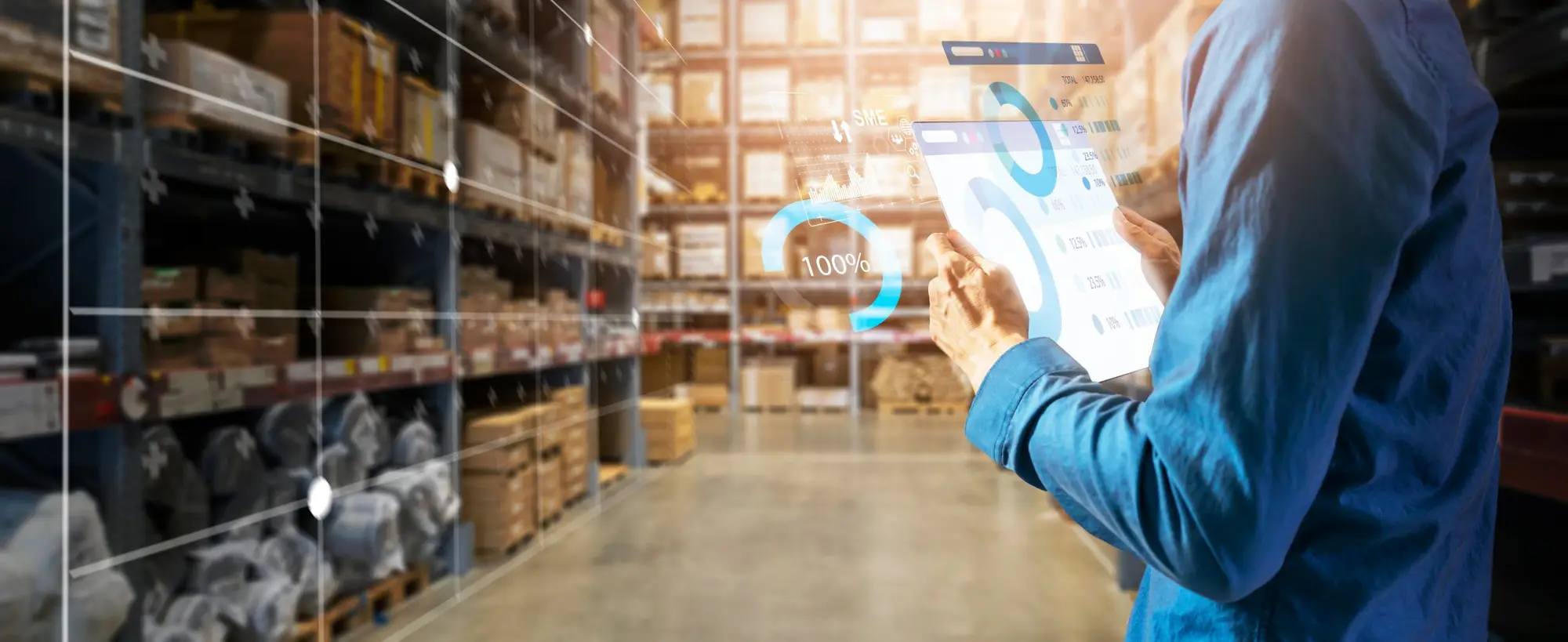
Every traceability system, whatever the commodity, does the same five things. Where it breaks down is almost always the first mile: smallholder farms, informal collection and paper records.
1
Identify
Give every farmer, plot, facility and product a unique ID: farmer registration with consent, plot boundaries, site codes and product codes such as GS1 identifiers.
2
Capture
Record each event as it happens: harvest, purchase, collection, processing, packing, shipping and receiving, with who, what, when, where and how much.
3
Link
Connect inputs to outputs at every transformation, so each lot keeps the list of origins it came from, even after mixing, milling or processing.
4
Verify
Check the data against independent evidence: satellite and drone imagery, deforestation baselines, mass-balance checks, audits, documents and tamper-evident records.
5
Share
Pass the right evidence to the right party: a Due Diligence Statement for the EU, food traceability records for the FDA, certificates for buyers, a QR code for consumers.
The first mile decides everything. If a smallholder purchase is not recorded against a farmer and a plot at the point of collection, no amount of software downstream can recover it.
03 · Chain of custody
Chain-of-custody models: how much mixing is allowed
A chain-of-custody model sets the rules for handling certified or compliant material alongside other material. The right model depends on the regulation, the buyer and the cost of keeping lots apart.
Strictest
Identity preserved
Material from a single origin, such as one farm or cooperative, is kept physically separate all the way to the product. Common for speciality coffee and GI products.
Strict
Segregation
Compliant material from many origins may be mixed together, but never with non-compliant material. This is what the EUDR expects in practice.
Flexible
Mass balance
Compliant and other material are mixed, and volumes are tracked on paper so that claims never exceed compliant inputs. Not accepted for the EUDR.
Loosest
Book and claim
Certificates are traded separately from the physical goods. Useful for some sustainability claims, but it proves nothing about a specific shipment.
04 · Agriculture
Agricultural traceability starts with the smallholder
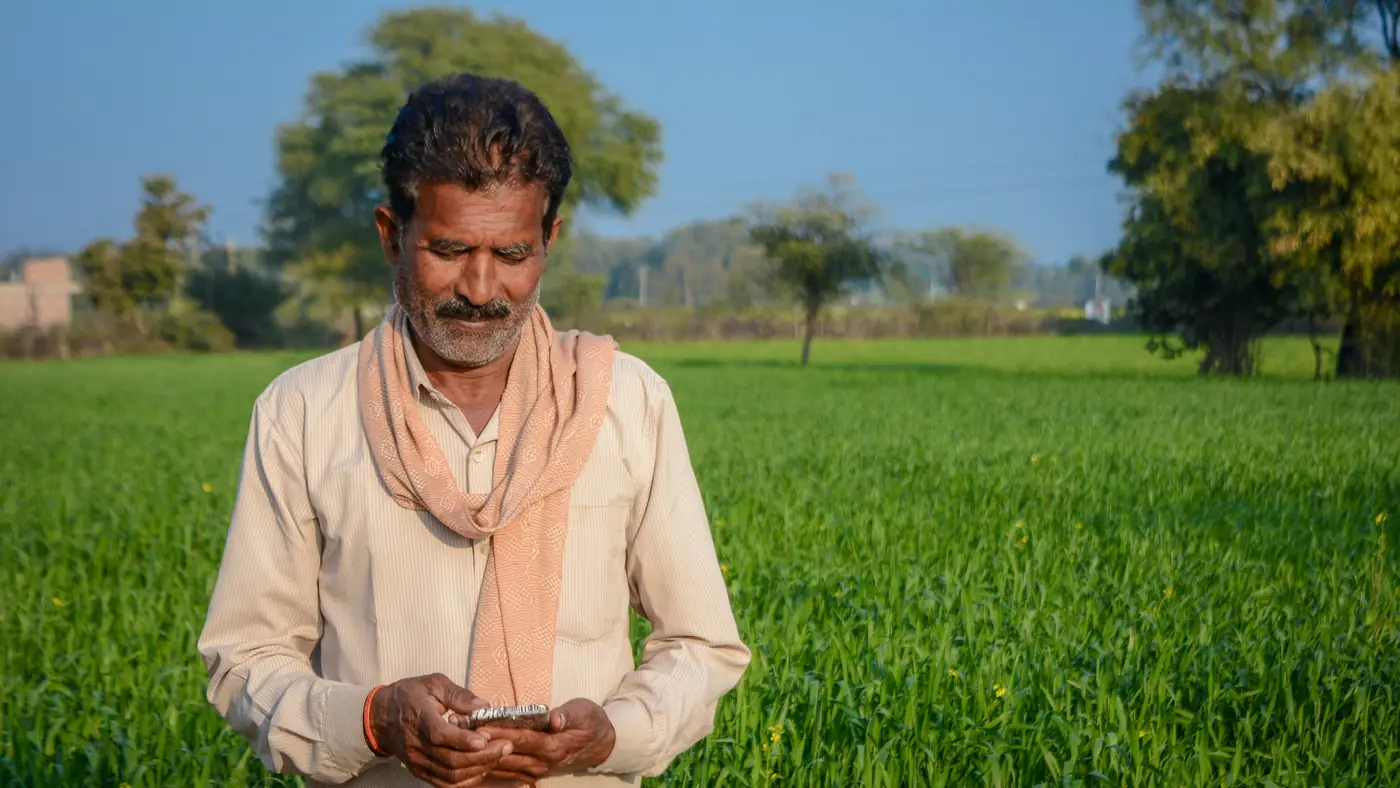
Most of the world's coffee, cocoa and natural rubber comes from smallholders farming a few hectares, selling through collectors, cooperatives and dealers. That is where records are thinnest and where buyers now need them most.
What good agricultural traceability captures
- Farmer: identity, consent to share data, and membership of a group or cooperative
- Plot: GPS point or polygon, area, crop, and a check against forest baselines
- Purchase: date, quantity and price, recorded against farmer and plot at the collection point
- Lot: which purchases went into each bag, batch or container
- Evidence: land rights, permits and certifications, attached to the farmer or plot they cover
What it is used for
Regulation such as the EUDR, buyer sourcing commitments, certification audits, premium programmes that pay farmers for quality or origin, and carbon or regenerative agriculture projects that need the same farmer and plot data.
05 · Food
Food traceability: faster recalls, safer food, proven claims
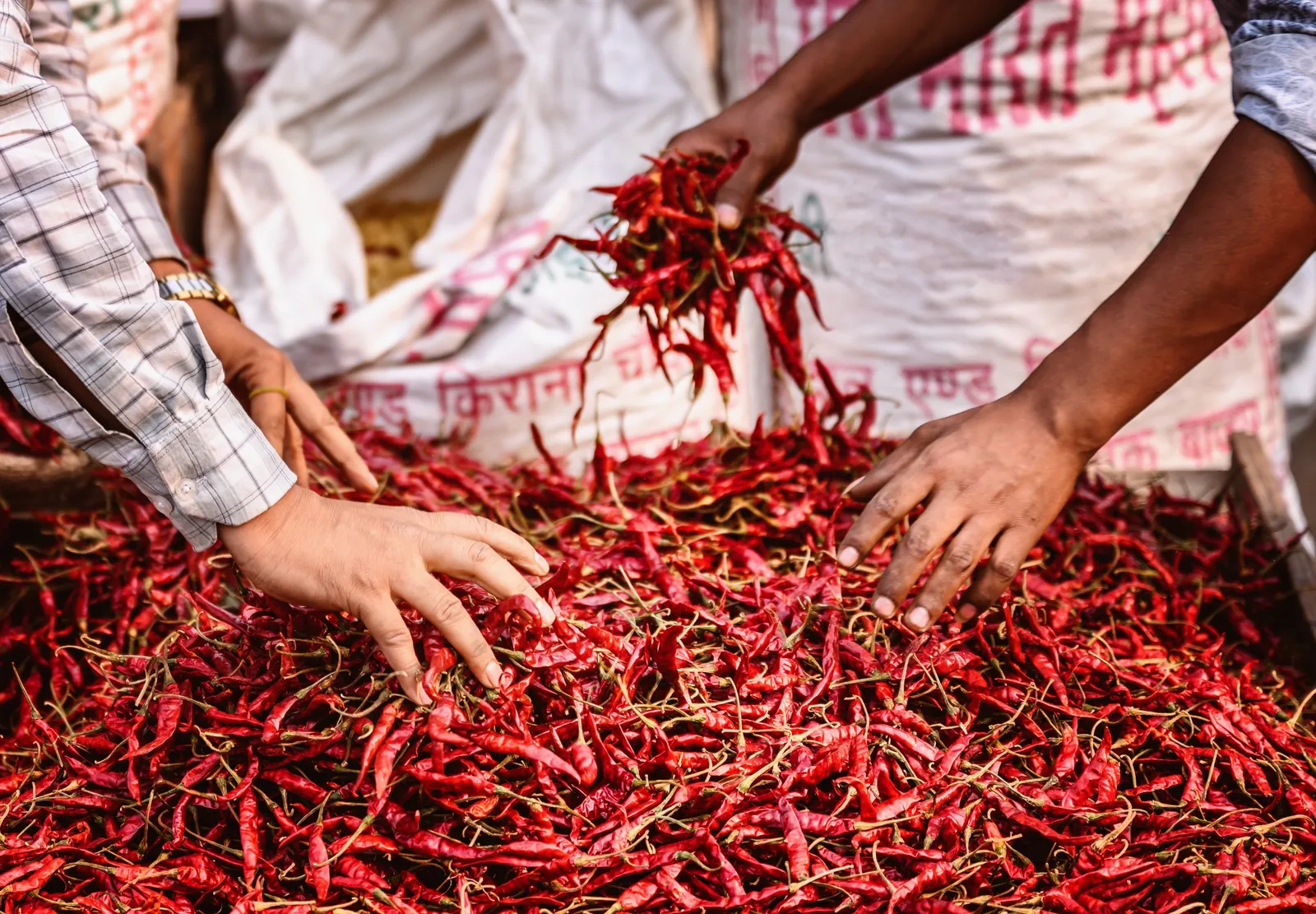
In food, traceability is first a safety tool. When something goes wrong, the question is how quickly you can find every affected lot and pull it, without recalling everything else.
The rules to know
- European Union: the General Food Law (Regulation (EC) No 178/2002, Article 18) requires every food business to know its immediate supplier and customer: one step back, one step forward.
- United States: the FDA Food Traceability Rule (FSMA Section 204) requires extra records for foods on the Food Traceability List, such as leafy greens, fresh herbs, shell eggs, finfish and soft cheeses. Businesses record Key Data Elements at Critical Tracking Events (harvesting, cooling, initial packing, shipping, receiving and transformation) and tie them to a traceability lot code. FDA will not enforce the rule before 20 July 2028.
- Exporters: buyers in both markets pass these requirements up the chain, so suppliers in India and elsewhere are asked for lot-level records whether or not the law applies to them directly.
Beyond compliance
The same records prove premium claims: origin, organic, single-farm, A2 milk or low-carbon. They also support fair payments to producers and faster investigations when a quality issue appears.
06 · Tyres and rubber
Tyres: tracing natural rubber from smallholder plots to the factory
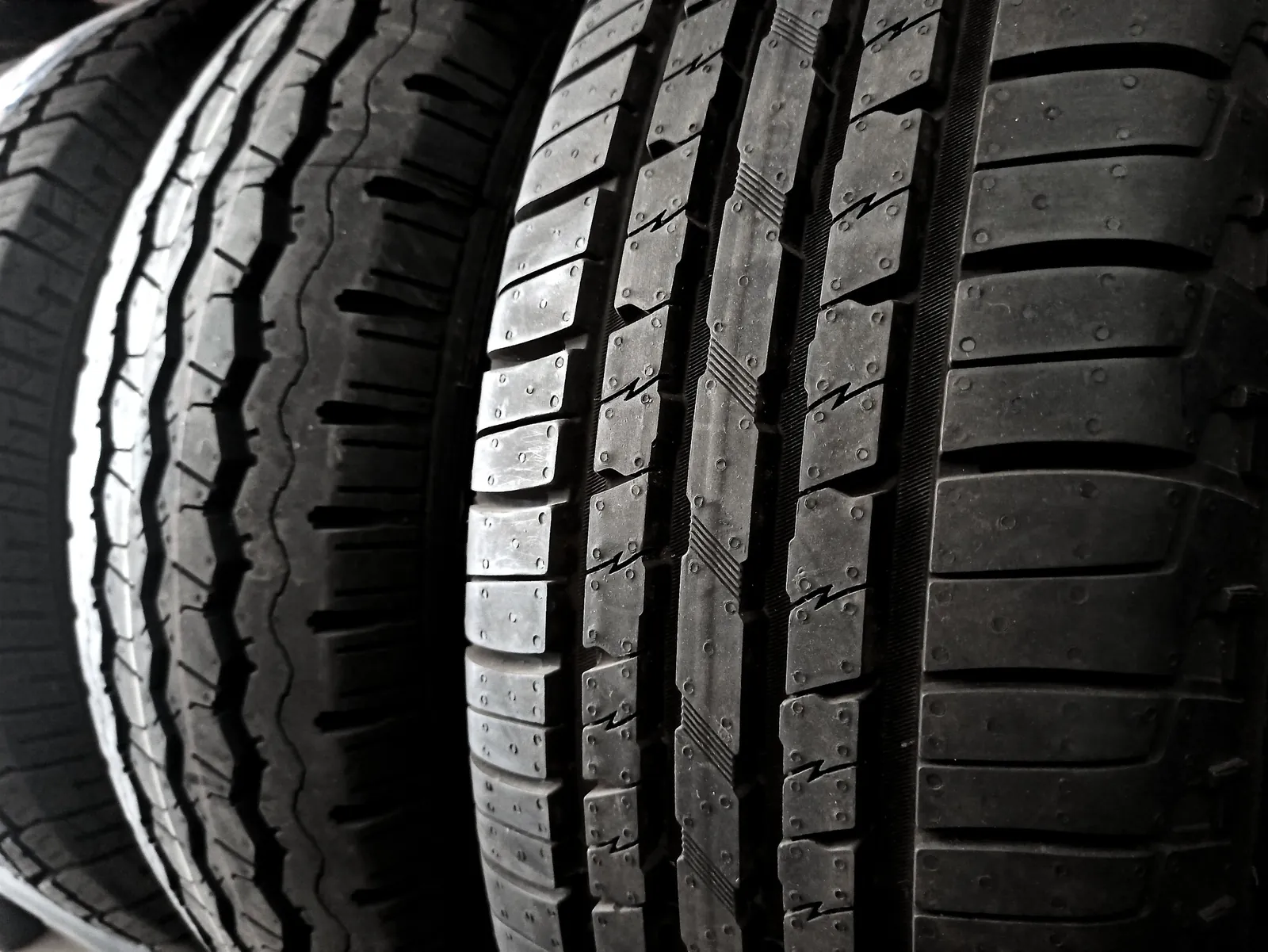
Natural rubber is one of the seven EUDR commodities, and tyre makers are among its biggest buyers. A single tyre plant can draw rubber from thousands of smallholders across several countries, through dealers, processors and blending.
What tyre makers need from their supply chain
- Plot geolocation and deforestation screening for the natural rubber they buy, passed up from processors and dealers
- Supplier onboarding and risk assessment across every origin country
- Internal traceability that links incoming rubber lots to compound batches and to the tyres shipped to the EU
- Shipment-level evidence and Due Diligence Statement references for EU customers
- All of this inside existing ERP and procurement systems, not a parallel spreadsheet
Check which rubber products are in scope against the current EUDR Annex I: the 2026 update removed retreaded tyres and some vulcanised rubber articles.
Tyre makers working with TRST01




07 · GI products
GI products: proving that origin is real
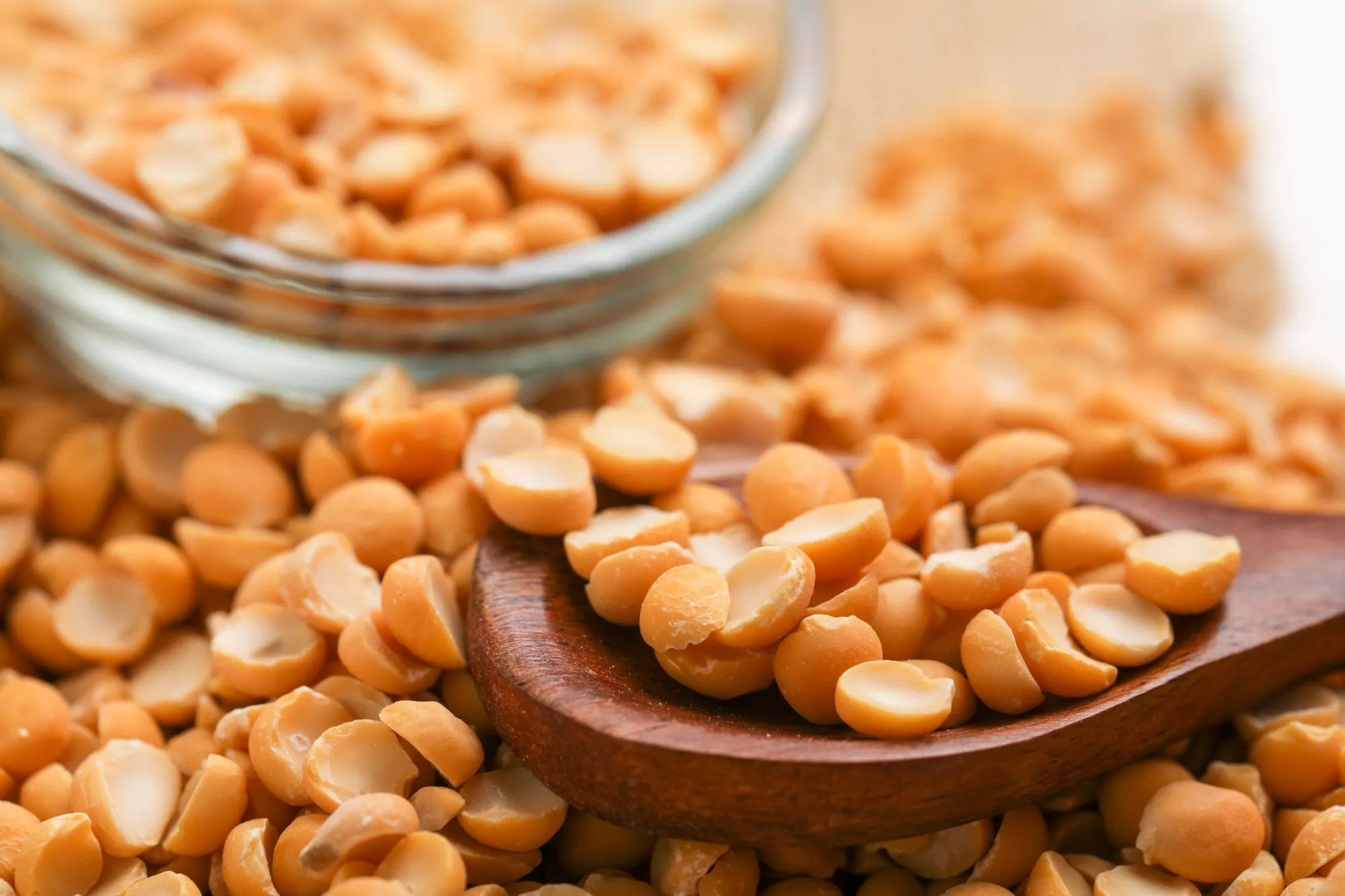
A Geographical Indication (GI) tag says a product's quality comes from where it is made: Darjeeling tea, Basmati rice, Tandur red gram. India has registered more than 800 GIs and is aiming for many more.
Read: what does a GI tag change for the farmer? →
Why a GI tag needs traceability
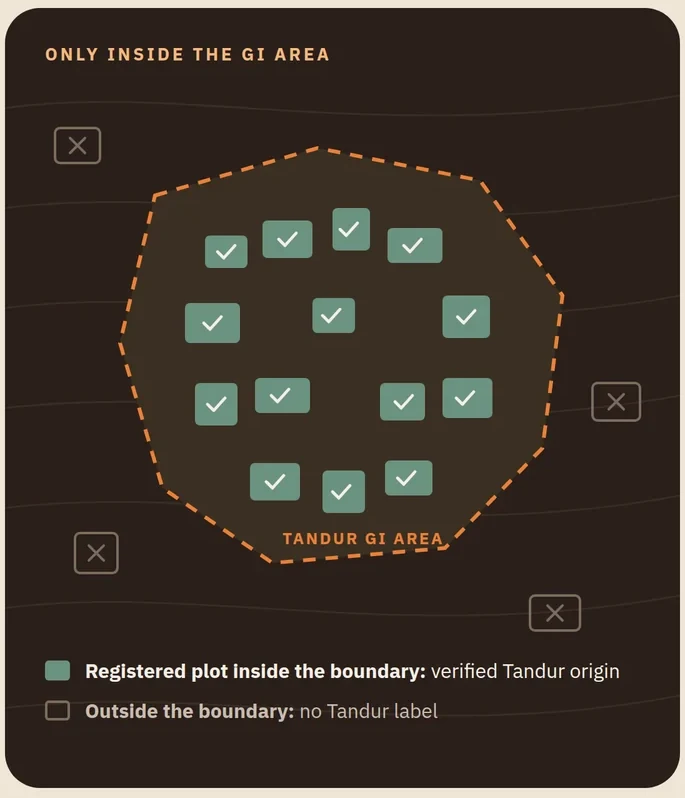
The tag is only as strong as the proof behind it. Without traceability, product from outside the GI area can be sold under the name, genuine producers lose their premium, and buyers stop trusting the label.
- Map the GI boundary and register producers and plots inside it
- Record every purchase against an authorised producer and plot
- Track volumes so that the GI product sold never exceeds what the area produced
- Give each pack a verifiable code that buyers and consumers can check
- Share the premium: show which farmers supplied each lot, so price premiums can reach them
08 · Standards
GS1 and EPCIS: a common language for traceability data
Traceability only works across companies if everyone describes products, places and events the same way. GS1 standards provide the identifiers; EPCIS provides the format for sharing events.

Identify
GS1 identifiers
GTIN for products, GLN for locations and parties, SSCC for logistic units such as pallets, plus batch or lot numbers and serial numbers. The same codes sit behind barcodes and QR codes.
Record
EPCIS events
EPCIS (ISO/IEC 19987) records each step as an event that answers what (which items or lots), when, where (location), why (business step, such as shipping or receiving) and, since version 2.0, how (sensor and condition data).
Share
EPCIS 2.0
Ratified by GS1 in 2022, EPCIS 2.0 adds JSON and JSON-LD formats and a standard REST interface, so partners can exchange traceability events system to system. The Core Business Vocabulary (CBV) keeps terms consistent.
The five EPCIS event types
Object event
Something happened to items or lots: harvested, inspected, shipped, received.
Aggregation event
Items were packed into, or unpacked from, a container such as a bag, pallet or shipment.
Transformation event
Inputs became outputs: latex into sheets, cherries into green coffee, beans into meal and oil.
Transaction event
Items were linked to a business document, such as a purchase order or invoice.
Association event
A device, such as a sensor, was attached to or removed from an item or asset.
09 · Checklist
Getting started with traceability
A practical order of work for exporters, processors and brands. Start with the regulation or buyer requirement that matters most to you, then build out.
Plan
- List the products, origins and markets where traceability is required, and by when
- Decide the level you need: origin, batch or product, and the chain-of-custody model
- Map your supply chain: farms, collectors, processors, warehouses and buyers
- Agree identifiers for farmers, plots, sites and products, using GS1 codes where buyers ask for them
- Choose who records what, at which step, and on which device
Run
- Onboard farmers and suppliers with consent, and map plots in the field
- Record every purchase, transfer and transformation as it happens, not at month end
- Keep compliant and other material apart, as your chain-of-custody model requires
- Check data against satellite imagery, volumes and audits, and fix errors at source
- Share evidence with buyers and regulators in the format they ask for, and keep records as long as the rules require (five years under the EUDR)
10 · Tools and resources
Platforms, tools and further reading
Exporters and processors
TRST01Chain
Farmer onboarding, plot mapping on mobile, purchase-to-batch traceability, deforestation screening and buyer-ready evidence.
Explore TRST01Chain →
Manufacturers
TRST01Chain MeeS
Vendor compliance, internal traceability and shipment-level documentation for tyre, coffee and furniture makers.
Explore MeeS →
EU importers
EUDR Hub
Supplier onboarding, polygon validation and Due Diligence Statement filing in the EU Information System.
Explore EUDR Hub →
Free tool
EUDR Polygon Validator
Check plot GeoJSON, KML or shapefiles for geometry errors and deforestation risk.
Check your plots →
Guide
EUDR Knowledge Centre
Deadlines, roles, commodities, geolocation, country risk and the Due Diligence Statement.
Read the guide →
Governments
Traceability as public infrastructure
How national traceability systems work for whole sectors, from farmer registries to export certificates.
See our DPI work →
Further reading
11 · Glossary
Traceability terms in plain English
Chain of custody
The rules and records that show how material passed from one owner or site to the next.
Critical Tracking Event (CTE)
A step in the supply chain where records must be kept, such as harvesting, shipping or receiving.
Key Data Element (KDE)
A piece of information recorded at a tracking event, such as lot code, quantity, date or location.
First mile
The steps from the farm to the first aggregation point, where smallholder records are usually weakest.
Lot or batch
A quantity of product handled as one unit and given one identifier.
Traceability lot code
Under FSMA 204, the code that identifies a lot and must travel with it through the supply chain.
Transformation
Any step that changes a product or combines inputs into new outputs, such as milling, blending or processing.
Identity preserved
Material from one origin kept separate from all other material up to the final product.
Segregation
Compliant material from many origins mixed only with other compliant material.
Mass balance
Mixing compliant and other material while tracking volumes so claims never exceed compliant inputs.
GTIN
Global Trade Item Number: the GS1 code that identifies a product.
GLN
Global Location Number: the GS1 code that identifies a site or a party.
SSCC
Serial Shipping Container Code: the GS1 code that identifies a pallet or other logistic unit.
EPCIS
The GS1 and ISO standard for recording and sharing supply chain events.
Geographical Indication (GI)
A sign used on products whose qualities come from a specific place.
Plot geolocation
The GPS point or polygon that shows where a commodity was produced.
Recall
Removing an affected lot from sale; good traceability limits it to the lots that are actually affected.
Digital Product Passport
A digital record that travels with a product and carries data on origin, materials and sustainability.
Free download
Take the traceability guide with you
All of the above in a free PDF, with the checklist and glossary. Updated November 2026.
This guide is general information, not legal advice. Regulatory dates reflect the position as at November 2026; check the official texts for your products and markets.







