
EUDR · KNOWLEDGE CENTRE
EUDR Knowledge Centre: everything you need before 30 December 2026
The EU Deforestation Regulation in plain English: who must comply, the new deadlines, the seven commodities, plot geolocation, country risk, Due Diligence Statements and penalties. Read it here, download the full guide, or use our free tools.
Answers reflect the EUDR as amended by Regulation (EU) 2025/2650 and the Commission's 2026 implementing measures, as at November 2026. General information, not legal advice.
At a glance
The EUDR in four numbers
30 Dec 2026
Applies to large and medium operators, and to micro and small timber operators.
30 Jun 2027
Applies to all other micro and small operators.
7 commodities
Cattle, cocoa, coffee, oil palm, rubber, soy and wood, plus the derived products listed in Annex I.
4% of turnover
The minimum for the maximum fine, alongside confiscation and exclusion from public contracts.
01 · The basics
What the EUDR is
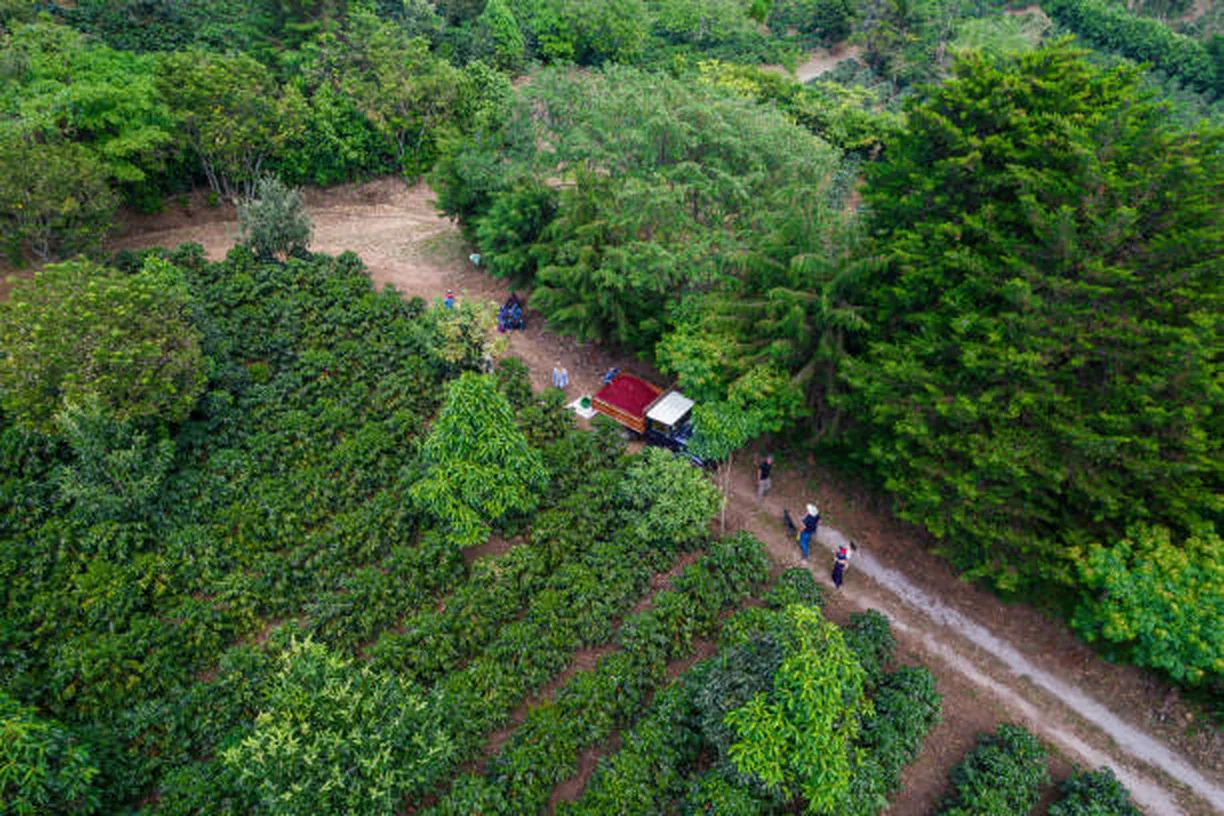
The EU Deforestation Regulation, Regulation (EU) 2023/1115, stops products linked to deforestation or forest degradation from entering or leaving the EU market. It replaced the EU Timber Regulation and applies the same idea, proof of origin before sale, to seven commodity groups.
A relevant product may only be placed on the EU market, made available on it, or exported from it if all three conditions are met:
- Deforestation-free. Produced on land that was not deforested after 31 December 2020. For wood, harvested without forest degradation after that date.
- Legal. Produced in line with the relevant laws of the country of production: land use, environment, labour, human rights, tax, anti-corruption and trade rules.
- Covered by due diligence. The operator has collected the required information, assessed the risk, mitigated it where needed and submitted a Due Diligence Statement.
In practice the decisive change is that plot-level geolocation becomes a condition of market access.
02 · Timeline
The EUDR applies from 30 December 2026 after two delays
The Regulation was amended twice before it applied. The Commission's May 2026 review proposed no further changes to the legal text, so the dates below are the ones to plan against.
29 Jun 2023
Regulation (EU) 2023/1115 enters into force.
23 Dec 2024
First 12-month delay published, moving application to 30 December 2025.
22 May 2025
Country benchmarking adopted (Implementing Regulation 2025/1093): every country rated low, standard or high risk.
23 Dec 2025
Amending Regulation (EU) 2025/2650 sets new dates, drops the DDS for downstream operators and traders, adds a simplified declaration and removes printed products.
4 May 2026
Simplification review published, with no further amendments to the legal text.
13 Jul 2026
Commission adopts the revised Annex I and the Information System rules (Implementing Regulation 2026/1565).
17 Sep 2026
New Annex I published (Delegated Regulation 2026/2102), in force from 18 September.
30 Dec 2026
Applies to large and medium operators, and to micro and small timber operators.
30 Jun 2027
Applies to all other micro and small operators.
30 Dec 2027
Products added to Annex I in 2026, such as soluble coffee, come into scope.
03 · Who must comply
Four roles, and only the first one files a full Due Diligence Statement
Since the 2025 amendment there are four roles. One company can hold different roles for different products.
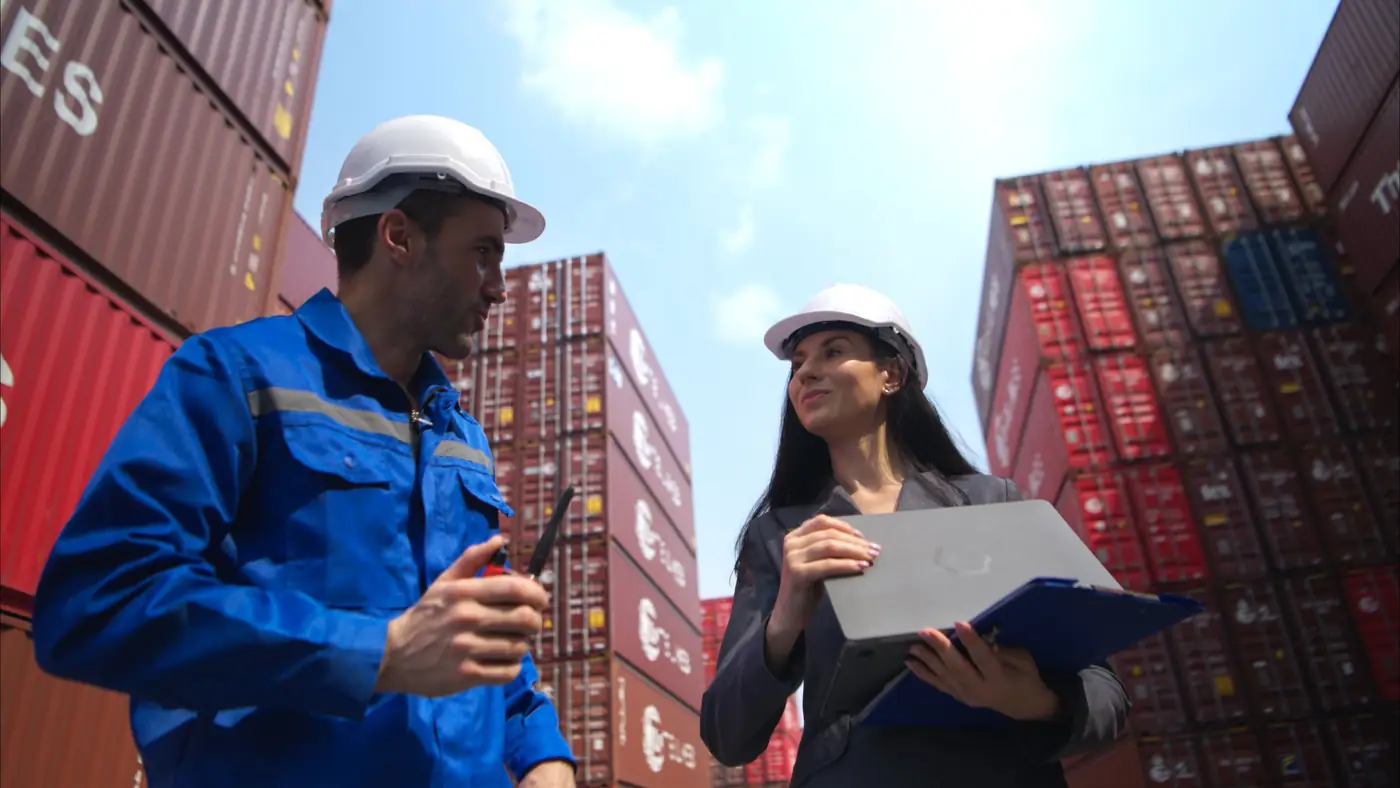
Operator
First to place the product on the EU market, or to export it
Full due diligence: collect information, assess and mitigate risk, submit the DDS and keep records for five years.
Micro or small primary operator
Produces in a low-risk country and places its own production on the market
A one-time simplified declaration in place of the full DDS. A postal address can stand in for plot coordinates.
Downstream operator
Places products already covered by a DDS or declaration
No DDS. Collect and keep the supplier's reference numbers; non-SMEs register in the EUDR Information System.
Trader
Makes products available without being the first to place them
Same as downstream operators: keep supplier information and reference numbers; non-SMEs register.
Exporters outside the EU are not directly regulated, but their EU buyers cannot file without their plot geolocation and legality evidence. In practice the data burden sits at origin.
04 · Commodities
Seven commodities, and the products made from them
A product is in scope only if its HS code is listed in Annex I. The 2026 delegated act took some products out (hides and leather, retreaded tyres, sowing soybeans, some vulcanised rubber articles) and added others from 30 December 2027. Check your codes against the current Annex I before deciding a product is out of scope.

Rubber
Natural rubber, latex, sheets and crepe, and the rubber products still listed in Annex I.
Rubber guide →
Coffee
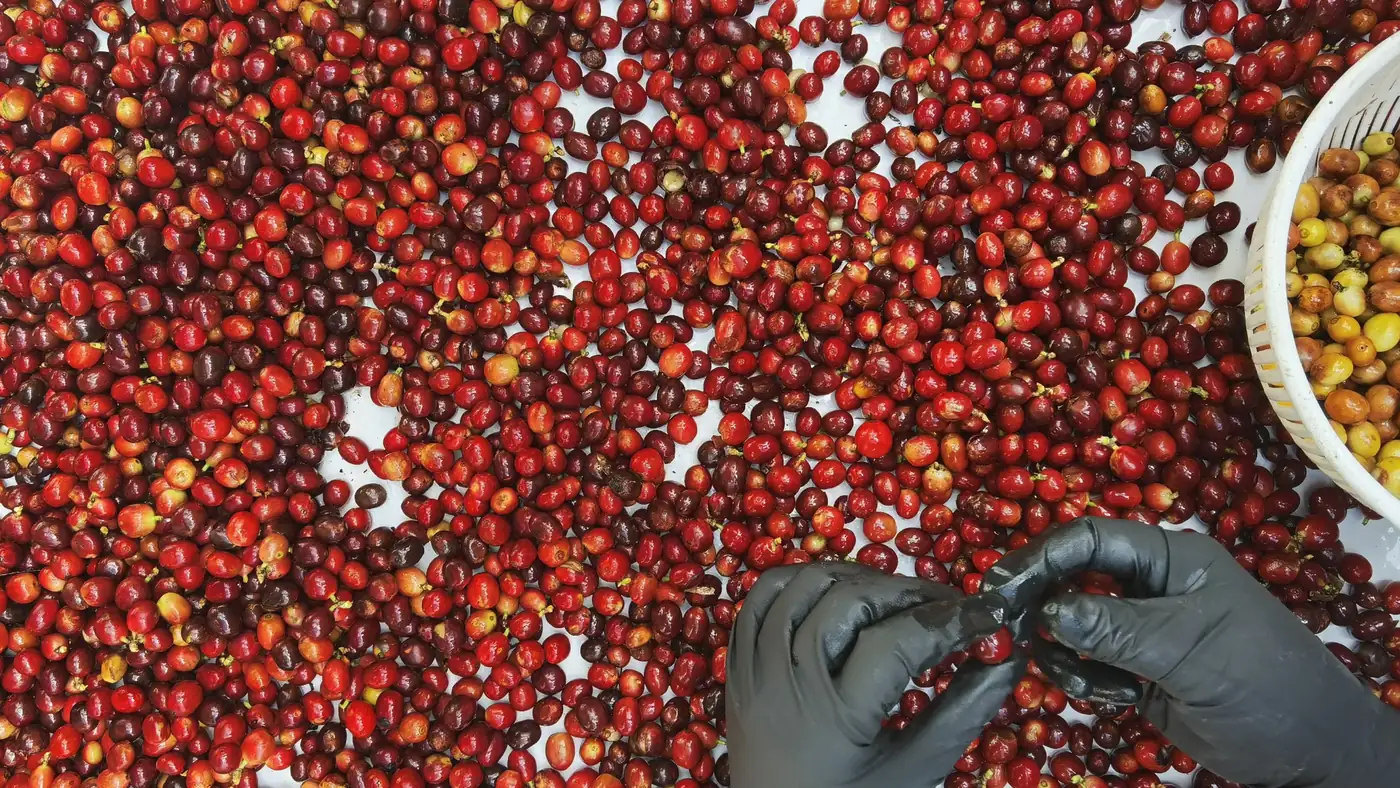
Green and roasted coffee, husks and skins. Soluble coffee joins from 30 December 2027.
Coffee guide →
Soy
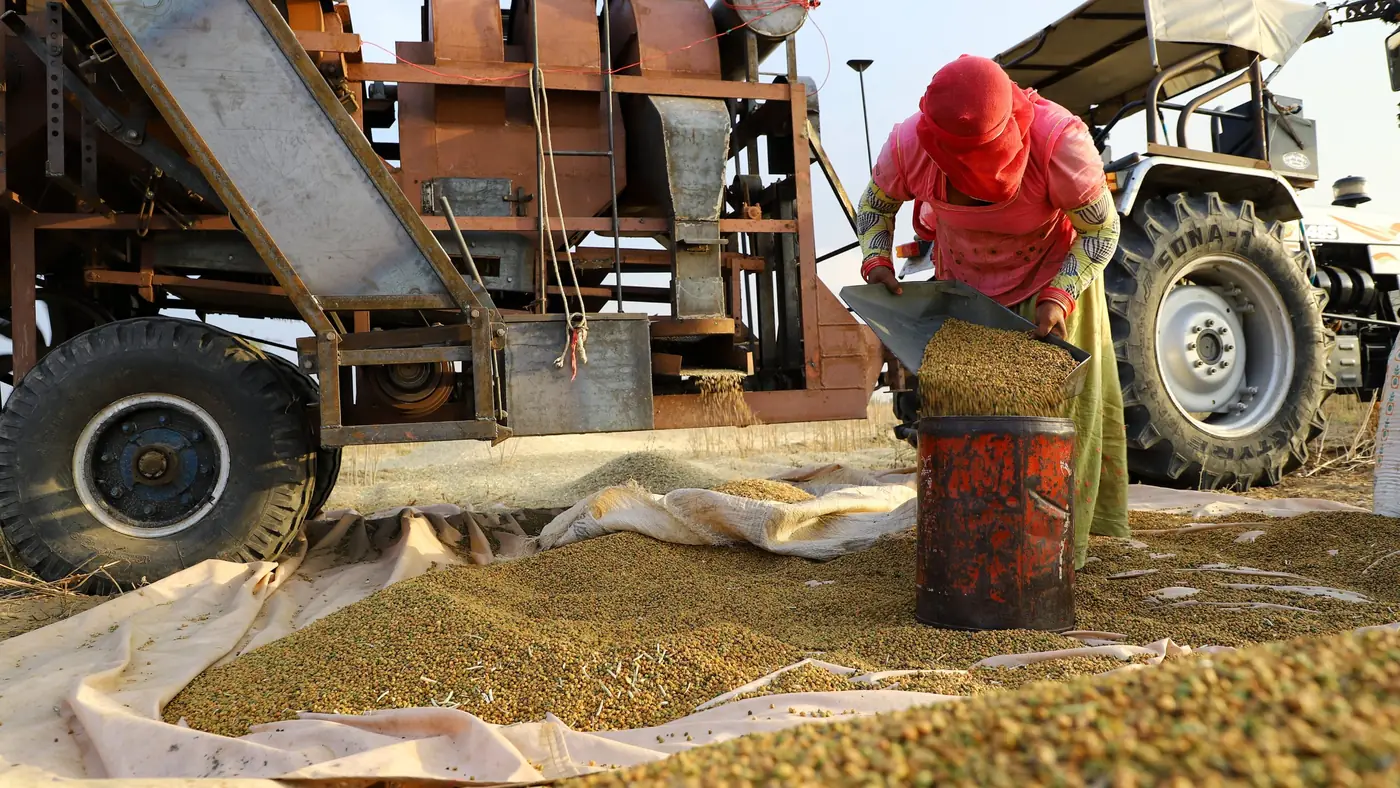
Soybeans, soybean flour, meal and oil.
Soy guide →
Wood
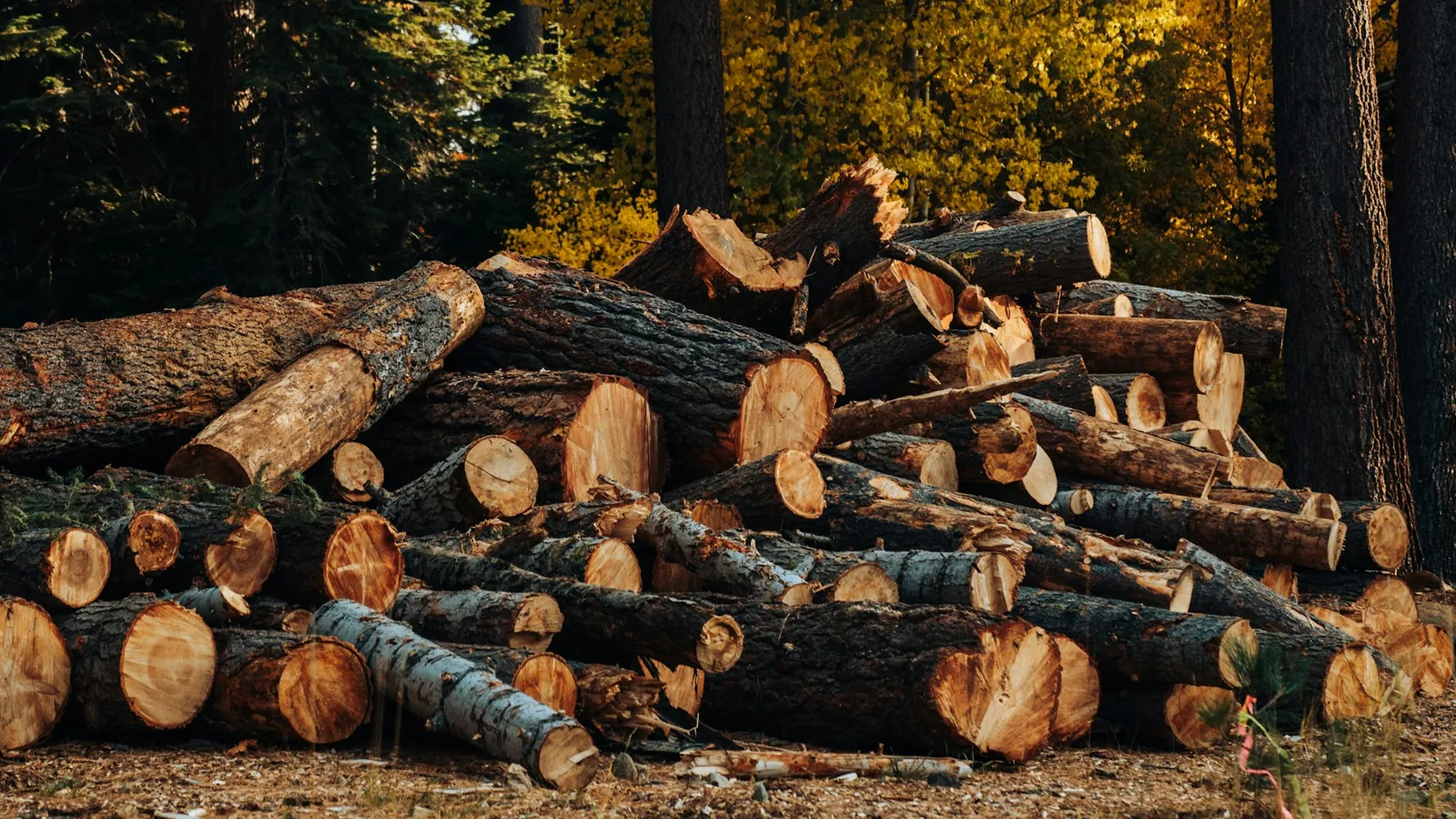
Logs, sawn wood, plywood, pulp and paper, furniture and wooden frames. Printed products were removed in 2025.
Wood and furniture guide →
Cocoa
Beans, paste, butter, powder and chocolate.
Oil palm
Palm nuts and kernels, palm oil and fractions, and listed derivatives. Some derivatives join from 30 December 2027.
Cattle
Live cattle, beef and offal. Hides and leather were removed by the 2026 delegated act.
05 · Geolocation
Geolocation and GeoJSON: where most files fail
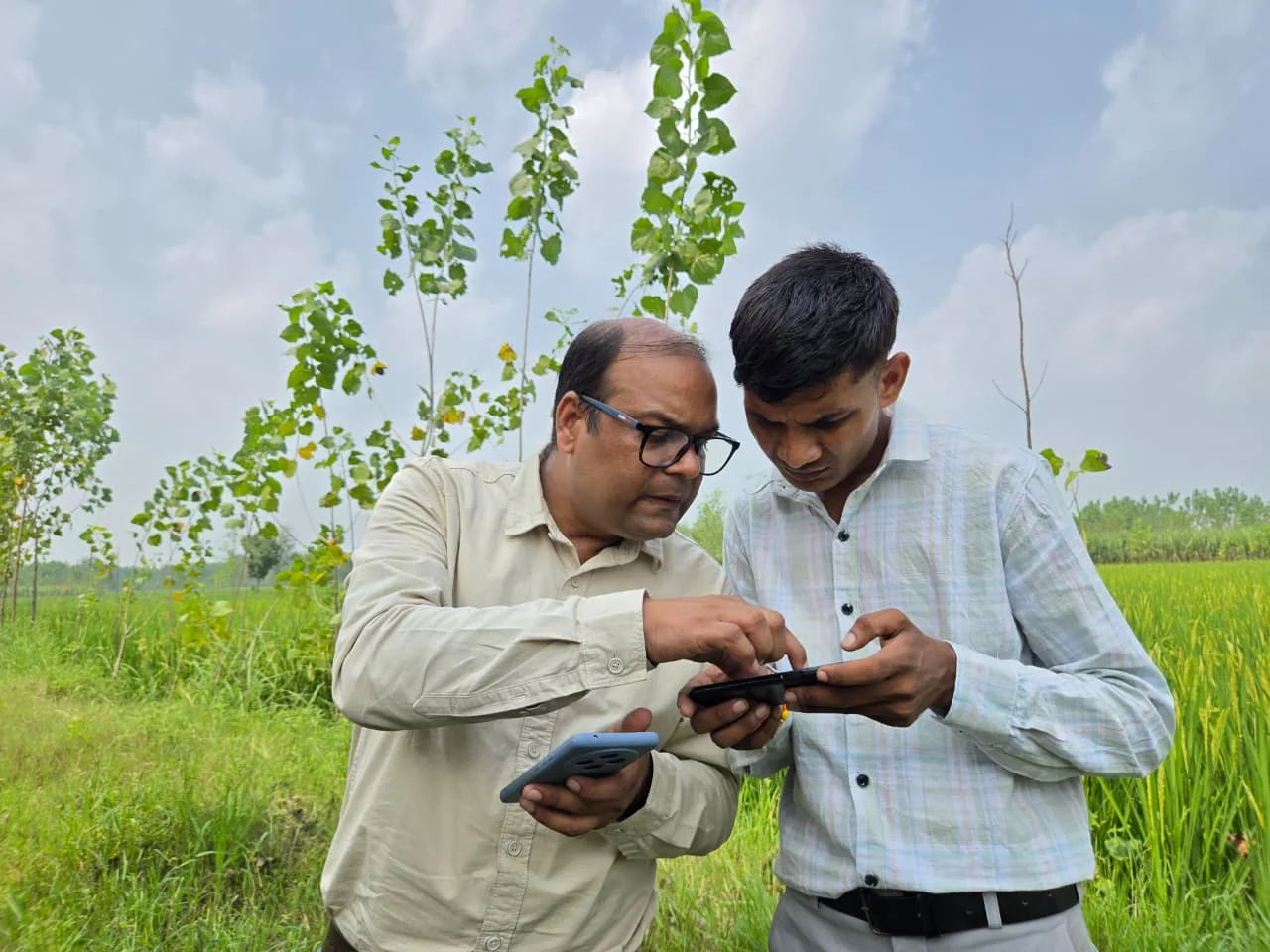
Every plot of land that produced the commodity must be identified by coordinates, and those coordinates go into the DDS as a GeoJSON file.
Check your plots free with the Polygon Validator →
4 hectares or less
A single latitude and longitude point is enough.
More than 4 hectares
A polygon of the plot boundary is required. For cattle, the establishments where the animals were kept.
Precision
At least six decimal places, in WGS84 coordinates.
Common errors we see in the field
- Latitude and longitude swapped, so points land in the sea or another country
- Polygons that are not closed, cross themselves or overlap a neighbour
- Boundaries walked with too few points, so the shape is wrong
- The same plot registered under two farmers
- Boundaries drawn on outdated satellite imagery
06 · Risk
Deforestation, legality and country risk

Deforestation-free
Uses the FAO definition of forest: over 0.5 hectares with trees taller than 5 metres and canopy cover above 10%. Converting such land to agriculture after 31 December 2020 makes the commodity non-compliant, whoever did it.
Legality
Evidence that production followed local law on land use rights, environment, labour and human rights, free prior and informed consent, tax, anti-corruption and trade.
Risk assessment
Weigh the country's risk category, indigenous peoples, supply chain complexity, mixing with unknown origin and circumvention. If risk is not negligible, mitigate before placing the product.
Country benchmarking
Implementing Regulation (EU) 2025/1093 classifies every country. The category sets how much due diligence is needed and how often authorities check.
Low risk · 1% of operators checked
Simplified due diligence: collect information and file the DDS; no risk assessment unless there is evidence of a problem.
Examples: all EU countries, India, Vietnam, Thailand, Sri Lanka, China, United States, Ghana, Kenya
Standard risk · 3% checked
Full due diligence.
Examples: Indonesia, Malaysia, Brazil, Côte d'Ivoire, Colombia, Ethiopia, Uganda
High risk · 9% checked
Full due diligence with closer scrutiny.
Belarus, Myanmar, North Korea, Russia
Low risk is not “no work”. Geolocation for every plot and a DDS are still required. Read: the country risk list explained →
07 · Filing
The Due Diligence Statement and the EUDR Information System
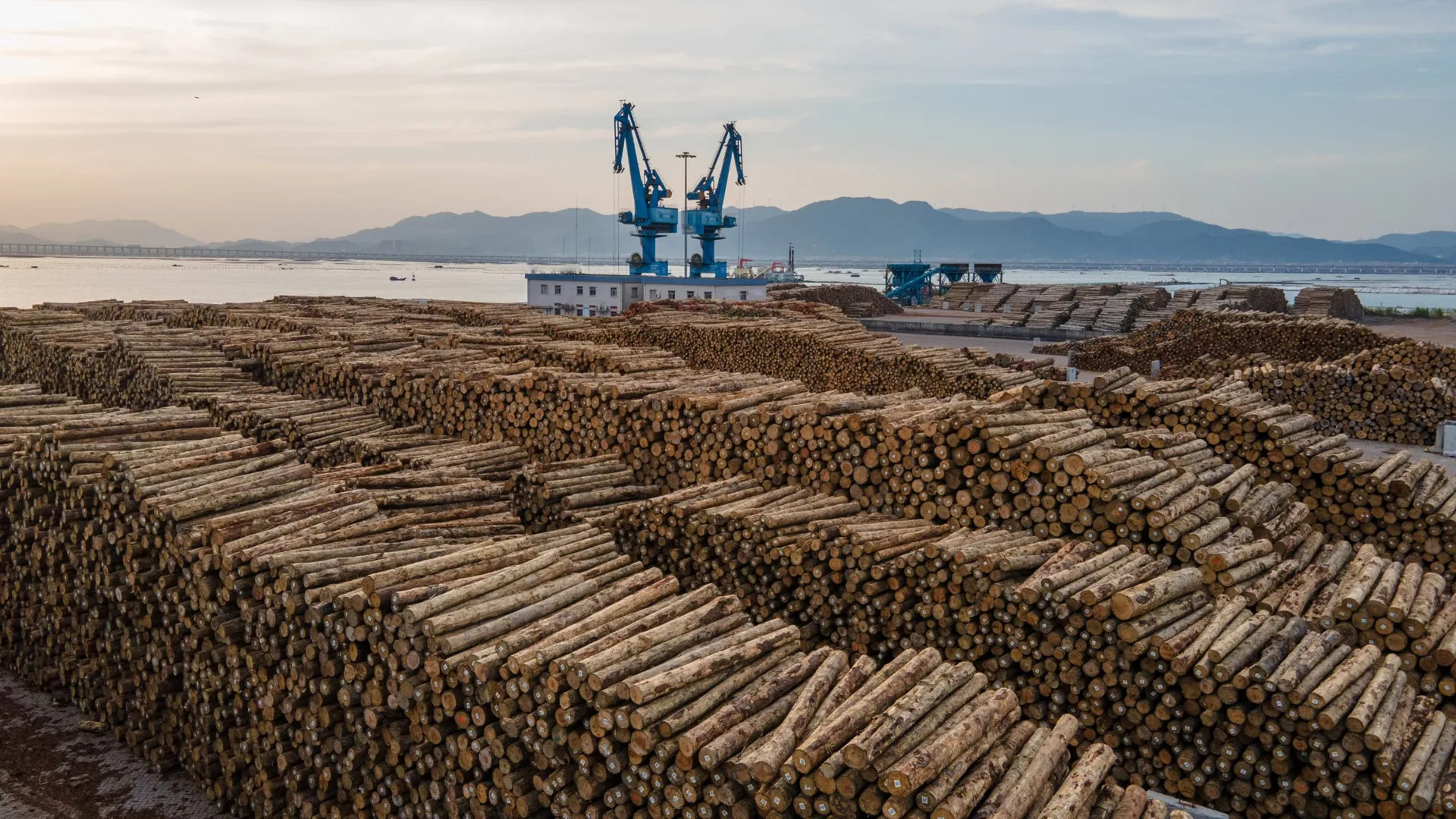
The operator files a DDS in the EUDR Information System, which runs on the EU's TRACES platform, before the goods are placed on the market or exported. The system returns a reference number that customs and downstream companies use.
The Information System reopened at the end of June 2026 with the changes from the 2025 amendment. Companies can register and test now.
How EUDR Hub prepares and files DDS data →
What a DDS contains
- Operator name, address and EORI number
- HS code, description and quantity of the product
- Country of production
- Geolocation of every plot (the GeoJSON)
- Reference numbers of any earlier DDS or declarations it relies on
- A statement that due diligence was carried out and that no or only negligible risk was found
How it works in practice
- The exporter or processor supplies the GeoJSON and legality evidence for the lot.
- The EU operator, or its authorised representative, submits the DDS.
- The reference number goes on the customs declaration and is passed to downstream buyers.
- Records are kept for five years and must be available to authorities on request.
08 · Enforcement
Checks, penalties and enforcement
Each EU Member State appoints a competent authority to check operators, downstream operators and traders. Annual check rates follow the country risk category, plus targeted checks on substantiated concerns. Authorities can examine documents, DDS records, GeoJSON and satellite evidence, run field audits including in producing countries, and order interim measures such as seizure or suspension of goods.
Enforcement readiness. Member States had to set penalties in national law. On 19 November 2026 the Commission opened infringement procedures against Bulgaria, Greece, Malta and Poland for not having done so. Germany's implementing law passed the Bundestag on 12 November 2026.
Penalties under Article 25
- Fines with a maximum of at least 4% of the company's total annual EU turnover
- Confiscation of the products and of the revenue from them
- Temporary exclusion from public procurement and public funding, for up to 12 months
- A temporary ban on placing products on the market or exporting, and for serious repeat cases a ban on using simplified due diligence
09 · Checklist
Your compliance checklist
Work through these in order; each step depends on the one before. With about a month to 30 December 2026, the first three are the urgent ones.
For exporters and processors at origin
- List every EU-bound product by HS code and confirm it is in Annex I
- Identify every supplying farm, collection centre and dealer
- Onboard farmers with consent and basic KYC
- Map every plot: a point for 4 ha or less, a polygon above 4 ha
- Validate the GeoJSON for geometry, overlaps and axis order
- Screen every plot against 31 December 2020 forest baselines and remove failing plots
- Collect legality evidence: land rights, permits, labour and tax
- Record each purchase against farmer and plot, and keep lot lists through processing
- Segregate compliant lots from unknown-origin material
- Package GeoJSON and evidence per shipment for the EU buyer
For EU importers
- Decide your role for each product: operator, downstream operator or trader
- Register in the EUDR Information System and get your EORI ready
- Write a due diligence policy and name a responsible person
- Request geolocation and legality data from every supplier
- Assess risk by country category, supply chain complexity and mixing risk; mitigate where needed
- Submit a DDS per shipment and put the reference number on the customs declaration
- Pass reference numbers to your customers and keep records for five years
- Review the system at least once a year
For downstream operators and traders
- Keep supplier and customer records and the DDS reference numbers you receive
- Register in the Information System if you are not an SME
10 · Tools and resources
Free tools and deeper guides
Free tool
EUDR Polygon Validator
Upload GeoJSON, KML or shapefiles to check geometry errors and screen each plot for deforestation risk.
Check your plots →
FAQ
25 EUDR questions answered
Short answers on deadlines, roles, country risk, GeoJSON and the DDS.
Read the FAQ →
Overview
EUDR compliance with TRST01
How we take exporters and importers from farm mapping to filed DDS.
See the approach →
Exporters and processors
TRST01Chain
Farmer onboarding, plot mapping on mobile, deforestation screening, purchase-to-batch traceability and DDS-ready GeoJSON.
Explore TRST01Chain →
Manufacturers
TRST01Chain MeeS
Vendor EUDR compliance, deforestation checks and internal traceability for tyres, coffee and furniture makers.
Explore MeeS →
EU importers
EUDR Hub
Supplier onboarding, polygon validation and DDS filing in the EU Information System.
Explore EUDR Hub →
Proven at national scale
How India built one national answer to the EUDR for 1.2 million rubber farmers
TRST01 built BSNR, the national EUDR traceability platform for Indian natural rubber, with the Rubber Board of India.
Further reading
11 · Glossary
EUDR terms in plain English
Annex I
The list of products, by HS code, that the EUDR covers.
Competent authority
The national body in each Member State that checks compliance.
Cut-off date
31 December 2020. Land deforested after this date cannot supply EUDR products.
DDS
Due Diligence Statement, filed by the operator in the EU Information System for each placement or export.
Declaration identifier
The number a micro or small primary operator receives for its one-time simplified declaration.
Deforestation-free
Produced on land not deforested after the cut-off date; for wood, also without forest degradation.
Downstream operator
A company placing on the market or exporting products already covered by a DDS.
EORI
Economic Operators Registration and Identification number, used in customs and the DDS.
Forest
Land over 0.5 ha, with trees over 5 m and canopy cover over 10% (FAO definition).
GeoJSON
The open file format used to send plot points and polygons in a DDS.
Geolocation
Latitude and longitude of a plot, as a point (4 ha or less) or a polygon (over 4 ha).
Information System
The EU's EUDR platform on TRACES, where DDS are filed and reference numbers issued.
Mixing
Combining compliant products with products of unknown or non-compliant origin.
Negligible risk
The level of risk at which a product may be placed on the market.
Operator
The person or company that first places a relevant product on the EU market or exports it.
Reference number
The number the Information System returns for each DDS; it travels with the goods.
Simplified due diligence
The lighter regime for products from low-risk countries.
Trader
A company making relevant products available on the EU market that is not the operator.
Free download
Take the complete EUDR guide with you
All of the above in an illustrated 19-page PDF, with the full commodity tables, the checklist and official sources. Updated November 2026.
This guide reflects the EUDR as amended by Regulation (EU) 2025/2650 and the Commission's 2026 implementing measures, as at November 2026. It is general information, not legal advice. Check the official texts for your specific products.







