
What Does a GI Tag Change for the Farmer?
23 November 2026 · Weekly Traceability Series
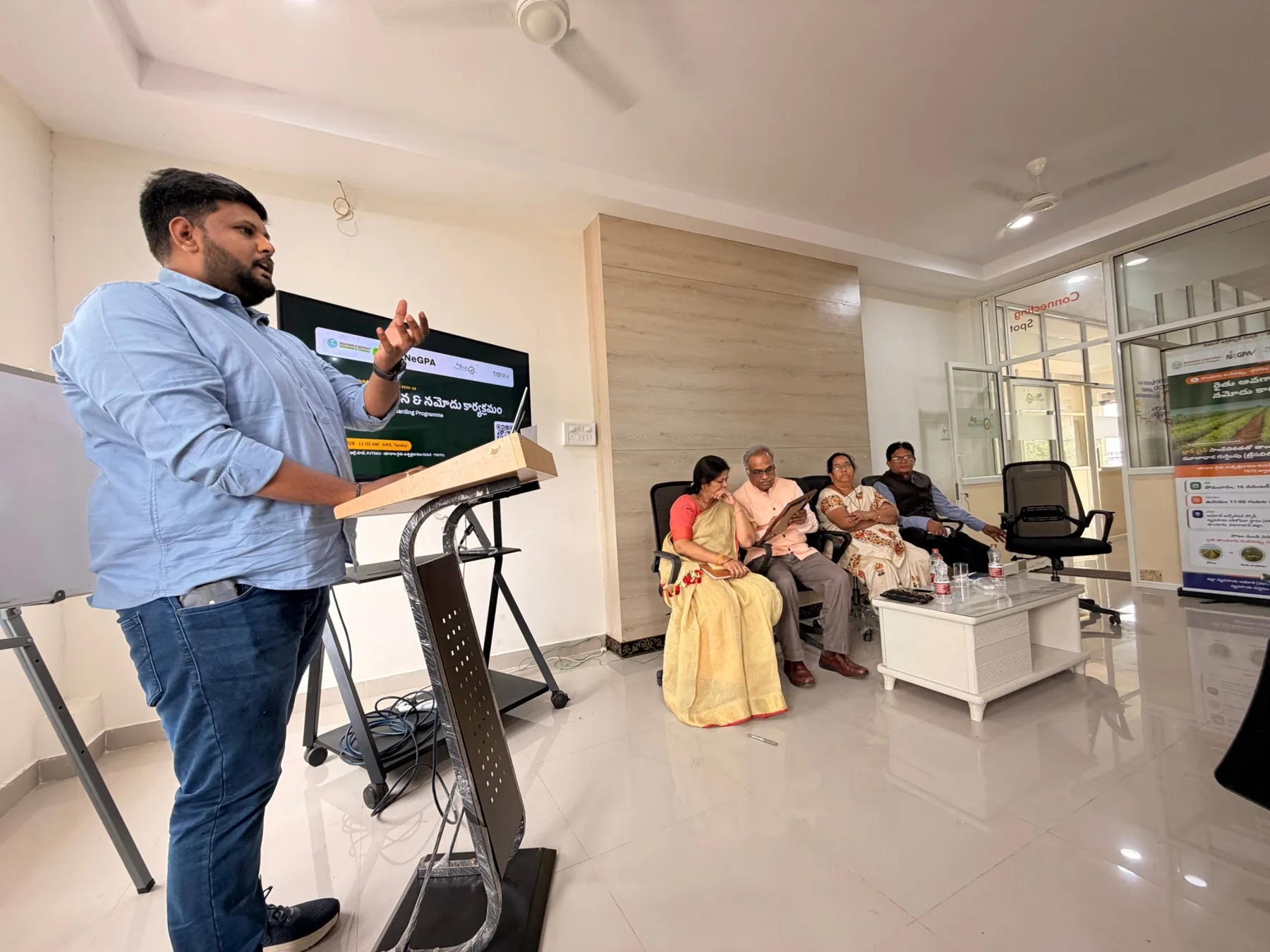
At the Agricultural Research Station in Tandur last week, the Department of Agriculture and TRST01 brought together growers, the Yalal FPO, local dal millers and officials. We showed how a QR code could help a buyer verify the origin of a packet of Tandur dal. Scan the code, and the packet shows the batch it came from, confirms that the red gram was grown within the GI area, and traces the chain from FPO to mill to pack.
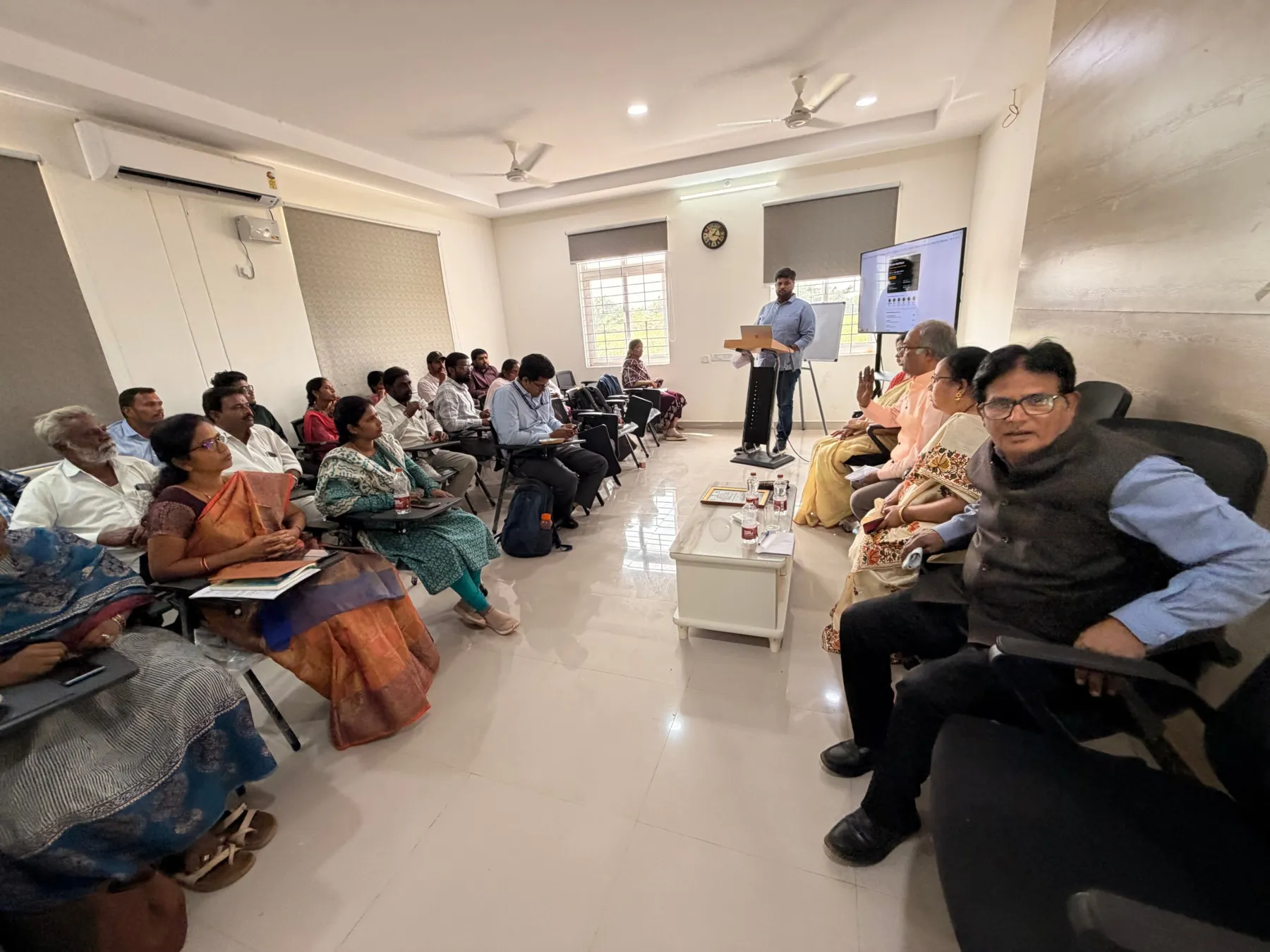
Dr. G. Venkateshwarlu, Managing Director of Ag-Hub, opened the meeting by explaining how verifying origin can protect farmers’ interests, build buyer confidence and help growers secure better prices. Ms. B. Kavitha, District Agriculture Officer, Vikarabad, spoke about how QR codes can protect the distinctive identity of Tandur Red Gram and reduce misuse of the GI name.
Everyone in the room agreed on the promise: genuine Tandur dal should earn more. But through the day I kept coming back to a different question, one that matters more to the person who grew the crop:
If a buyer pays more for genuine Tandur dal, does the farmer who grew it earn more too?
A name built over generations
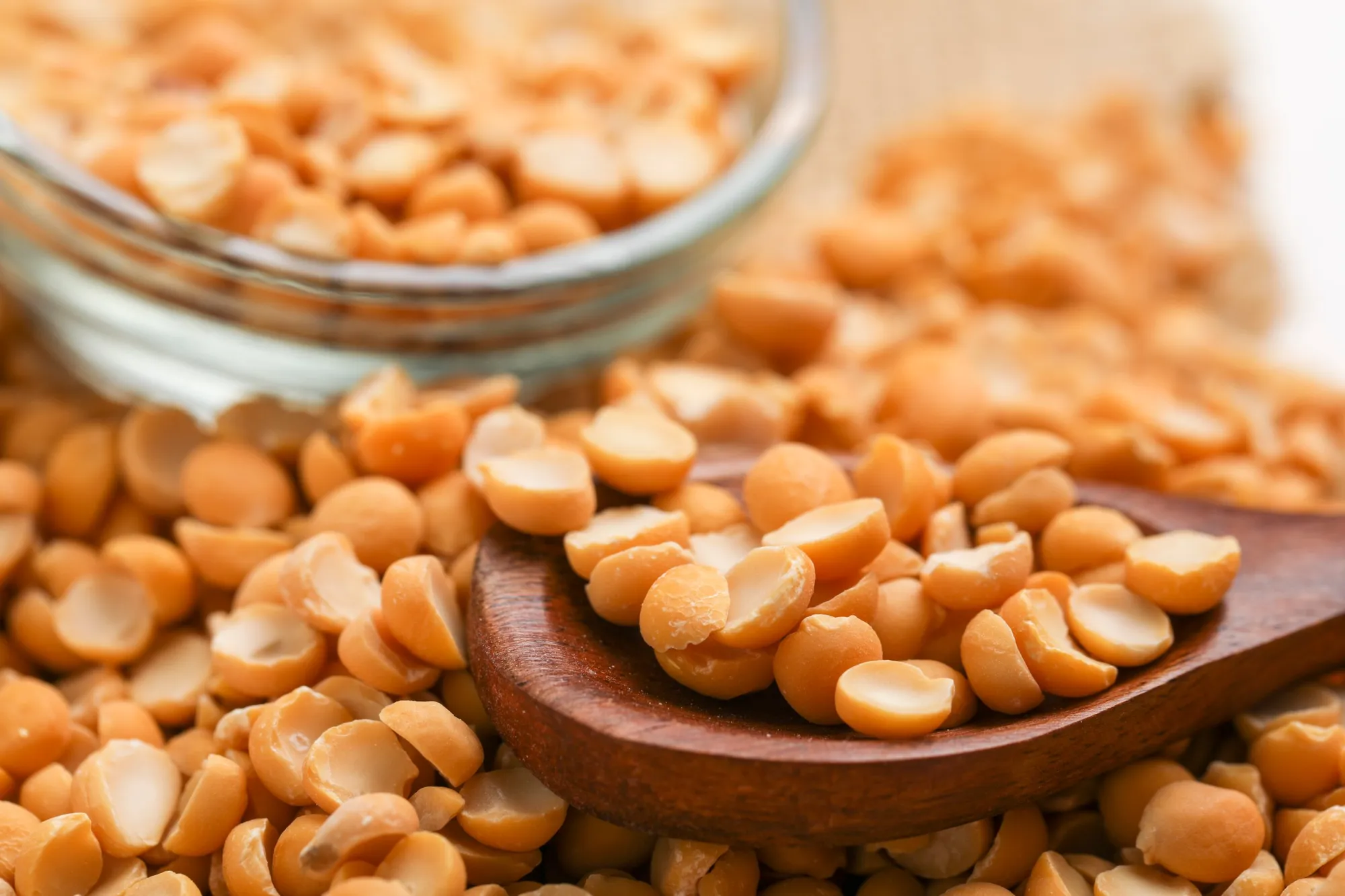
Tandur Red Gram gets its distinctive taste and cooking qualities from the region's deep black soils. Dr. C. Sudha Rani, Principal Scientist at ARS Tandur, put it in practical terms: the dal tastes distinct, cooks quickly and keeps well after cooking, and all three come from the soil it is grown in.
Dr. C. Sudhakar took the longer view. He spoke about the crop’s history and its place in Telangana’s food and farming traditions. The name was built by generations of farmers around Tandur long before any certificate, and buyers across the State came to trust it.
That name was formally recognised in December 2022, when Tandur Red Gram became the State's first farm product with a Geographical Indication (GI) tag, on an application by Yalal Farmers Producer Company.
The GI gives growers a way to protect the name they have built. In law, only registered producers from the defined area can use it.
The wider market is starting to notice. On 28 October 2026, APEDA facilitated the first-ever export of GI-tagged Tandur red gram: 2.5 tonnes shipped from Hyderabad to Australia. Union Commerce and Industry Minister Shri Piyush Goyal marked it as a sign that “India’s GI products are winning the world.” Tandur Red Gram is one of more than 800 registered GI products in India, and the Centre wants many more.
Exports are exactly where traceability adds value. A buyer in Melbourne cannot visit Tandur. The proof of origin has to travel with the dal, from the plot to the pack.
But a name protected in law is not the same as money in the farmer's hand. A year after the tag was granted, many growers still did not know what it meant, and only a few hundred had registered, even as the expected GI premium was put at ₹300 to ₹500 a quintal. I wrote about that gap last month in Tandur Dal: An Old Love Story, a New Chapter.
Carrying the identity from farm to packet
The GI protects the name at the start of the chain. The next step is to carry that identity through procurement, milling and packaging, so buyers can tell where their dal came from.
That is harder than it sounds. Red gram moves from small farms through collectors, traders and mills. By the time it is cleaned, split and packed, the farmer's name is usually long gone. A packet of ordinary tur with “Tandur” printed on it looks exactly like the real thing.
For the team at TRST01, the work is to link the dal in the packet back to the people and plots that produced it. That means working with growers, FPOs and millers so that:
- every purchase is recorded against the farmer and the plot it came from;
- every milling batch keeps the list of farmers whose red gram went into it; and
- every packet carries a code that leads back to that batch.
The millers who joined us are central to this. As Andhra Prabha reported the next day, verified records will let local millers buy genuine Tandur red gram separately from red gram brought in from other areas. That separation is what gives a premium something to attach to.
This is part of the State's traceability project for Tandur Red Gram, which will bring about 65,000 farmers onto a single platform.
A record that also measures
The same record that lets a buyer check origin lets us check something else: where the money goes. If we know whose red gram went into which lot, and what that lot sold for, we can see how much of any premium reaches the grower.
So these are the numbers we intend to watch:
- Farm-gate price: what farmers are paid per quintal for verified Tandur Red Gram, compared with ordinary red gram sold in the same markets in the same season.
- Share of the premium: how much of the extra a buyer pays for verified Tandur dal ends up with the farmer, rather than with the trader, the miller or the brand.
- Reach: how many registered growers actually sell through verified lots, not just how many are onboarded.
- Speed of payment: how quickly farmers are paid for what they sell.
The outcome worth tracking
It would be easy to judge a project like this by the number of farmers onboarded, plots mapped or QR codes scanned. Those numbers matter, but they are the means, not the end.
I'd like us to judge this project by what farmers earn from selling verified Tandur Red Gram. That is the outcome worth tracking, and we will report it as the data comes in. If the premium is not reaching growers, the record will show that too, and that is worth knowing early enough to fix.
A GI tag changes the law. Traceability can change the market. Whether either changes the farmer's income is the question we should keep asking.
At TRST01 we build farm-to-packet traceability for GI products, commodities and the governments that support them. Learn more at trst01.com.
Subscribe to the TRST01 Weekly Newsletter on Traceability for a plain language update every week on the rules and risks shaping global trade.







