
EUDR · WOOD
EUDR compliance for timber, wooden furniture, handicrafts and paper
Wood products sold into the EU, from logs and plywood to furniture, handicrafts, pulp and paper, need proof of where every tree was harvested, that the land was not deforested after 2020 and that it was felled legally. TRST01 maps the source plots, keeps them linked through depots, sawmills, workshops and mills, and produces the DDS data for every EU shipment.
Built on TRST01Chain, which already runs plot-to-shipment EUDR traceability for 200+ organisations in rubber, coffee and soy.
What EUDR requires for wood
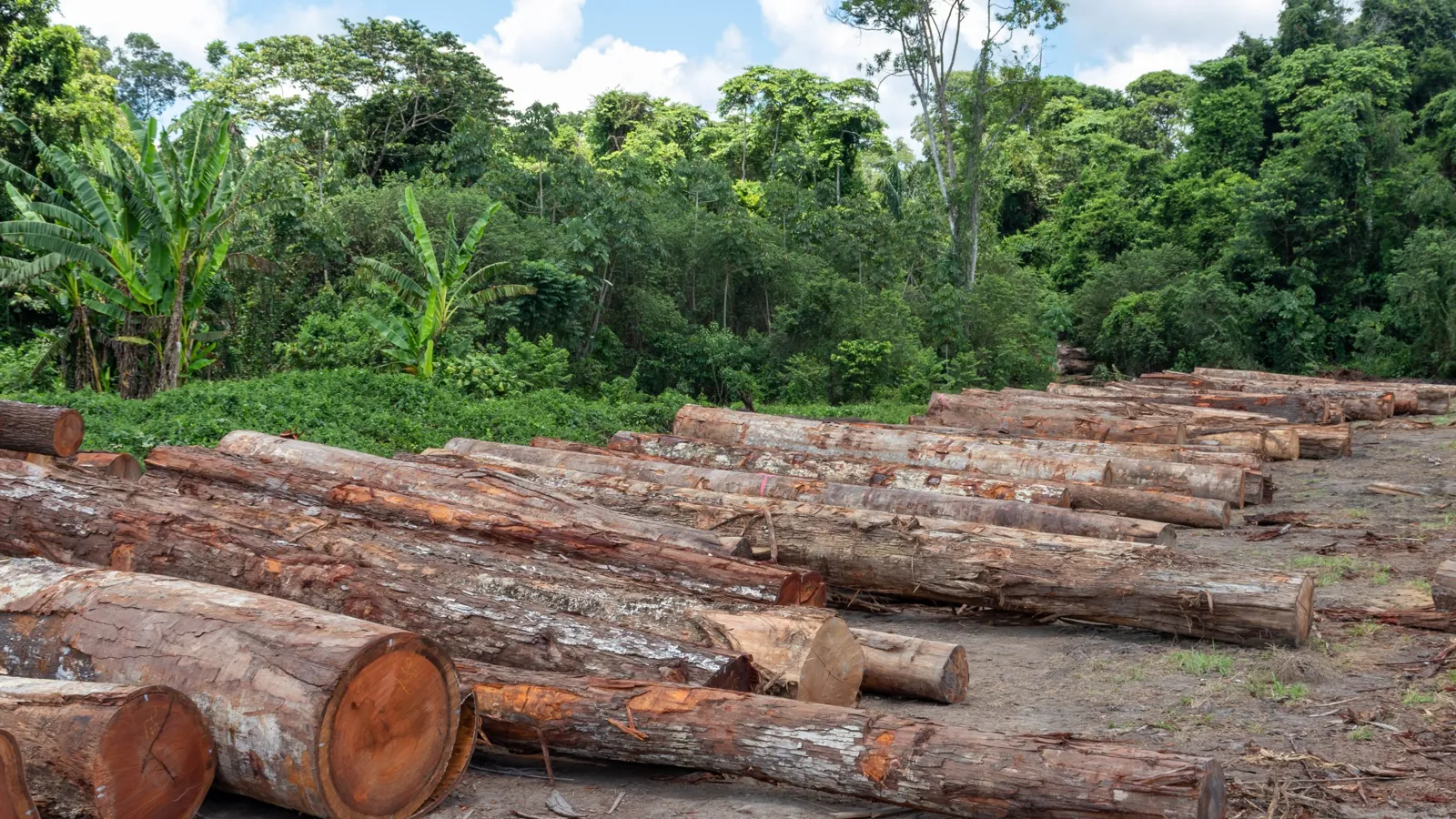
Wood and covered wood products need a Due Diligence Statement (DDS) in the EU Information System before they are placed on the EU market or exported from it. The EUDR replaces the EU Timber Regulation with stricter, plot-level requirements. Behind each DDS the operator must be able to show:
Geolocation of every plot of land where the trees in the shipment were harvested.
No deforestation or forest degradation on those plots after 31 December 2020.
Legal harvest under the laws of the country of origin, including felling permissions and transit passes.
A risk assessment, with mitigation where the risk is more than negligible.
Large and medium operators must comply from 30 December 2026; micro and small enterprises from 30 June 2027. India is classified as low risk, allowing simplified due diligence, but timber imported into India for processing must be traced to its own country of harvest.
Which wood products are in scope
Annex I covers wood and many products made from it, including:
Fuel wood, logs, sawn wood, veneer, plywood and wood-based panels (Chapter 44).
Wooden articles such as frames, boxes, kitchenware, carvings and other handicrafts (Chapter 44).
Wooden furniture and prefabricated wooden buildings (ex 9401, 9403 and 9406).
Pulp, paper and paperboard (Chapters 47 and 48).
Printed books, newspapers and other printed products (Chapter 49) were removed from scope by the December 2025 amendment. Packaging used only to support, protect or carry another product is generally exempt; check the July 2026 Delegated Act for the exact CN codes that apply to your products.
Why wood is hard to trace
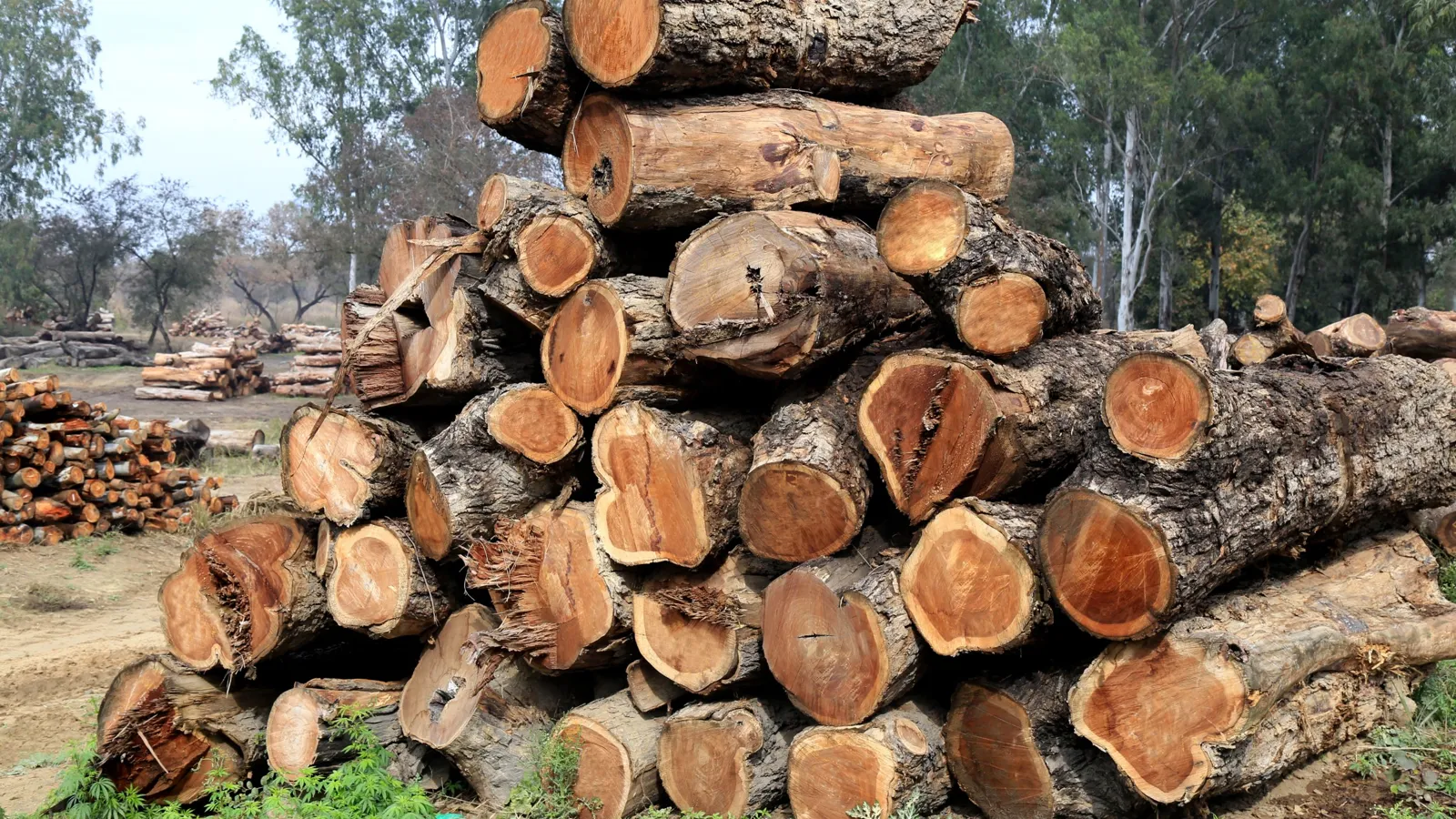
Much of the wood used by Indian furniture, handicraft and paper exporters, in clusters such as Jodhpur and Saharanpur, comes from trees outside forests: sheesham, mango, acacia and eucalyptus grown on farms, field boundaries and plantations, and sold a few trees or a truckload at a time through contractors and timber depots. Logs are sawn, seasoned and mixed in workshops, and many exporters also use imported timber. Without records at the point of felling, the link to the plot is lost long before the product is finished.
How TRST01 makes wood EUDR-ready
Source plot mapping: GeoJSON polygons for the farms, boundaries and plantations where trees are felled, captured on offline mobile apps by your procurement team or timber suppliers.
Deforestation and legality checks: satellite analysis against the 31 December 2020 baseline, with felling permissions and transit passes stored against each purchase.
Depot-to-workshop traceability: purchases recorded in IntelliTrack so logs, sawn timber and finished pieces stay linked to their source plots through sawing, seasoning and assembly.
Multi-source products with MeeS: TRST01Chain MeeS combines the plot lists of every wood input, local or imported, into one DDS for each finished-goods shipment.
DDS data per shipment: consolidated GeoJSON and DDS data for each EU-bound consignment, ready to file through EUDR Hub.
Frequently asked questions
Are wooden handicrafts and furniture covered by the EUDR?
Yes. Wooden articles in Chapter 44, including frames, boxes, kitchenware and carvings, and wooden furniture under ex 9401 and 9403 are in Annex I. Printed products such as books and catalogues were removed from scope in December 2025.
Is Indian wood low risk?
India is classified as low risk, so simplified due diligence applies. Plot geolocation, legality evidence and a DDS for each consignment are still required, and imported timber is assessed on the risk level of its own country of harvest.
We use imported timber. Can we still comply?
Yes, if your timber supplier provides the geolocation of the harvest plots and legality documents from the country of harvest. TRST01 stores these against each purchase and carries them, alongside your locally sourced wood, through to the finished product's DDS.
Is paper covered, and what about packaging?
Pulp, paper and paperboard (Chapters 47 and 48) are in scope. Packaging used only to support, protect or carry another product is generally exempt, but paper and wooden packaging sold as products in their own right are covered.







