EUDR 30 December 2026 Checklist for Exporters and EU Importers
By Prabir Mishra, Founder & CEO, TRST01 · 15 November 2026 · EUDR Guides
The EUDR applies to large and medium companies from 30 December 2026. The Commission's May 2026 review confirmed that no further postponement is planned, so goods arriving at EU ports from that date need a valid Due Diligence Statement behind them. This checklist splits the work between the two sides of the trade: producers and exporters outside the EU, and the EU importers who file.
The dates that matter
- 30 December 2026: large and medium operators and traders.
- 30 June 2027: micro and small operators (unless already covered by the EU Timber Regulation).
- 30 December 2027: products newly added by the July 2026 scope update, such as soluble coffee and certain palm oil derivatives.
- 31 December 2020: the deforestation cutoff. Land converted from forest after this date cannot supply the EU market.
The scope update also removed some products, including retreaded tyres, cattle hides and leather, and soybeans for sowing. Check your HS codes against the final Annex I text.
Checklist for producers and exporters
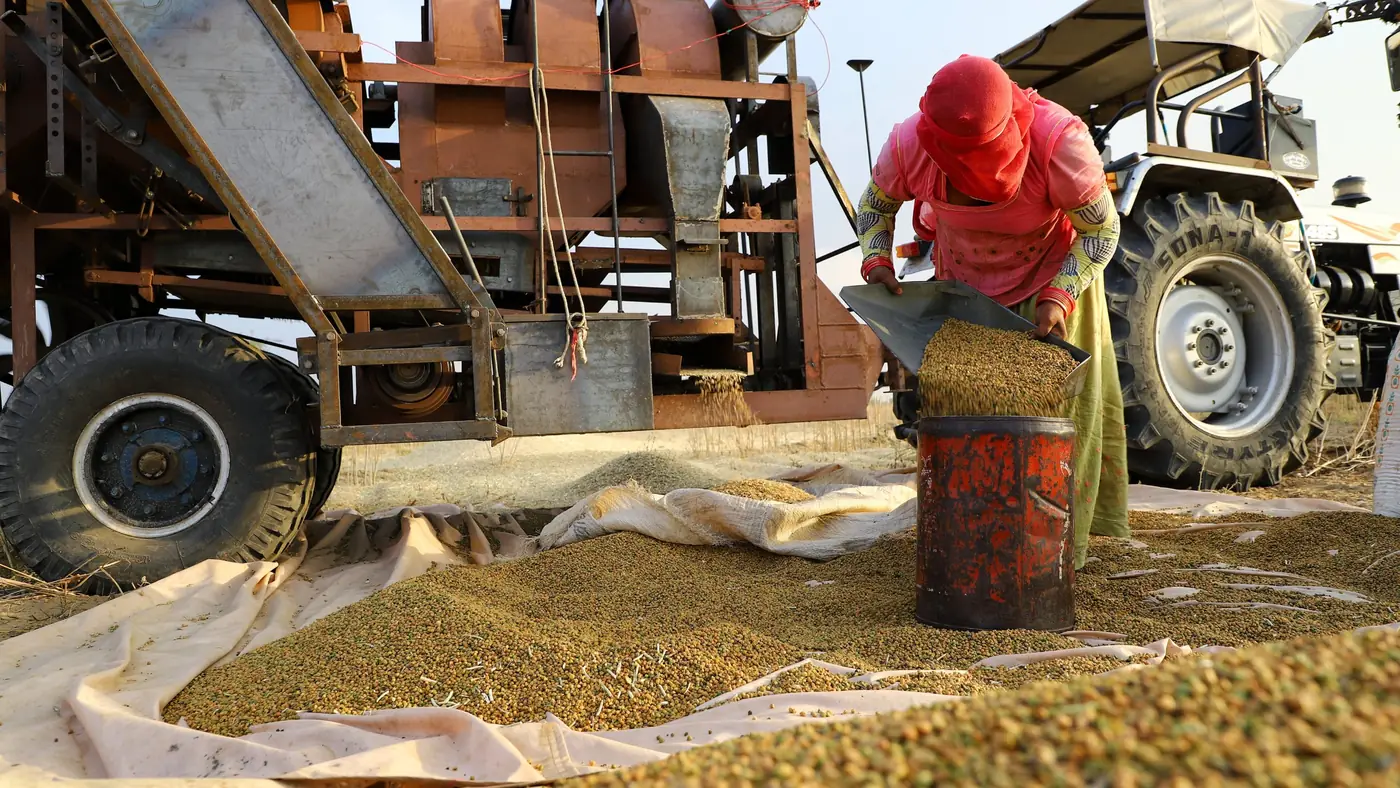
You may not file anything in TRACES yourself, but your buyer cannot file without your data. Exporters who can hand over clean data on day one will keep their customers.
- List every source plot. Own estates, contract farmers, collection centres, agents and traders: know which plots feed which lots.
- Map the plots. Polygons for plots over 4 hectares, points with area for smaller ones, six decimals, WGS 84. See EUDR GeoJSON requirements.
- Screen for deforestation. Check each plot against the 31 December 2020 baseline and protected areas, and resolve or exclude flagged plots before shipping.
- Collect legality evidence. Land title or use rights, environmental and labour compliance, tax and trade documents under your country's law, plus farmer consent for data sharing.
- Keep lots traceable. Record purchases against the farmer and plot at the first point of collection, so blended lots keep their plot list through processing.
- Produce one GeoJSON per shipment and validate it before sending. A free check on the EUDR Polygon Validator catches the errors that cause rejections.
- Agree the data handover with each buyer. Format, timing, what happens if a plot is questioned, and who pays for remapping.
- Keep everything for five years, in a form you can retrieve for an audit.
Checklist for EU importers and operators
- Confirm your role and size. Are you the operator who first places goods on the market, a downstream operator or a trader? Are you an SME? Your obligations and dates depend on both.
- Register in the EUDR Information System, with an EU Login per filer and your EORI number. Practise in the acceptance environment.
- Map your products to HS codes in Annex I, including the July 2026 changes.
- Request supplier data now: plot geolocation, legality evidence and lot-to-plot records. Send suppliers a template and a deadline.
- Assess risk. For low-risk countries such as India and Vietnam, simplified due diligence lets you skip the risk assessment and mitigation steps, unless you see signs of risk. For standard-risk countries such as Côte d'Ivoire, Indonesia and Brazil, a full risk assessment is required. See our country risk guide.
- Mitigate and document. Extra evidence, audits or supplier changes, recorded in your due diligence system.
- File the Due Diligence Statement before customs clearance, and put the reference number on the customs declaration. Our step-by-step TRACES guide covers each field.
- Pass reference numbers downstream and keep supplier and customer records for five years.
- Plan for volume and outages. Use the API or a filing tool for high volumes, and know the Commission's contingency procedure for system outages.
- Review your due diligence system at least once a year and keep it up to date.
If you are behind
Start with your highest-volume supply chains and lowest-risk origins, where simplified due diligence applies. Get one full shipment through end to end, from plot data to reference number, then scale. TRST01 helps both sides: TRST01Chain for exporters and processors mapping farms and linking them to shipments, and EUDR Hub for EU importers onboarding suppliers and filing statements. We have done this for rubber, coffee and soy supply chains, including India's national BSNR programme for rubber. To see how it would work for your products, book a 30-minute demo.
This guide reflects the EUDR as amended by Regulation (EU) 2025/2650 and the Commission's 2026 implementing measures, as at 15 November 2026. It is general information, not legal advice. Check the official texts linked below before you act.