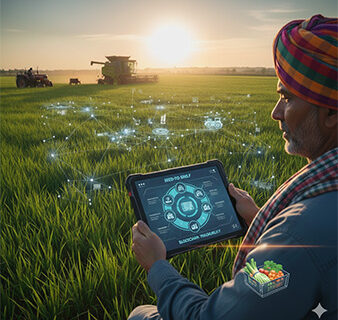
Agriculture is shifting from productivity to provability. As global due diligence and sustainability regulations tighten, transparency is no longer optional; it is market access. For smallholder-driven economies, fragmented traceability pilots cannot manage systemic compliance risk. Traceability must evolve into Digital Public Infrastructure (DPI): population-scale, interoperable, consent-based, and built as a public good.
This requires verified identities, geo-referenced land records, standardised supply chain event capture, and secure data governance. When physical production is mirrored in trusted digital systems, supply chains gain accountability and nations gain competitiveness. The next phase of agricultural trade will be defined not just by commodity power, but by credibility power.
Post Tagged with: "Sustainability"
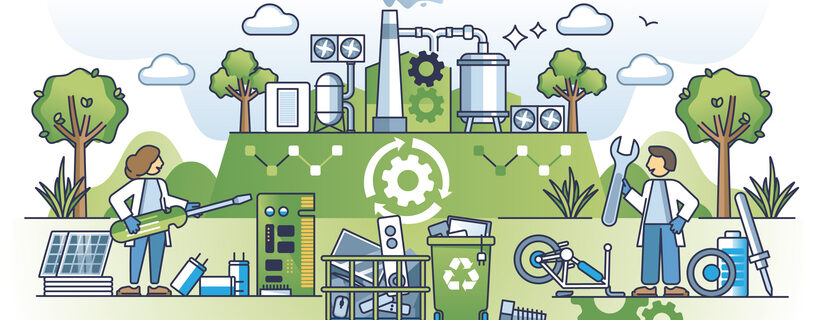
Reimagining EPR in the Digital Age
In 2026, TRST01 drives sustainability through innovation, impacting 850,000+ farmers across 10 countries. Its platforms ensure supply chain transparency, compliance with global regulations like EUDR, and real-time dMRV solutions. By empowering communities, enabling net-zero strategies, and promoting circular economies, TRST01 redefines transparency and accountability for a sustainable future.
Read MoreShaping a Greener, Smarter World
In 2024, TRST01 drives sustainability through innovation, impacting 250,000 farmers across 10 countries. Its platforms ensure supply chain transparency, compliance with global regulations like EUDR, and real-time dMRV solutions. By empowering communities, enabling net-zero strategies, and promoting circular economies, TRST01 redefines transparency and accountability for a sustainable future.
Read MoreSustainability Through Traceability
Traceability is the cornerstone of sustainability, enabling transparency, compliance, and trust across supply chains. It empowers producers, ensures ethical sourcing, and aligns environmental and social goals with profitability. By leveraging technology and data, traceability transforms supply chains into transparent ecosystems, driving measurable impact and unlocking rewards for businesses and stakeholders alike.
Read MoreParadigm Shift in ESG
The shift towards ESG principles in business emphasizes sustainability, ethical practices, and societal impact over mere profit. This paradigm involves integrating ESG into corporate strategies, enhancing risk management, and prioritizing stakeholder inclusivity, driving companies to contribute positively to global challenges.
Read MoreEUDR Compliance in Indian Trade
TRST01Chain is instrumental for Indian industries, particularly coffee, rubber, and leather, in adapting to the EU’s Deforestation Regulation. With India exporting 57% of its coffee, comprising 70% robusta and 30% arabica beans, worth over $600 million annually, and being the fifth-largest natural rubber producer, sending 25% of its exports ($800 million) to the EU, compliance is crucial. The EU also accounts for 30-40% of India’s leather exports, valued at $1.5 billion. TRST01Chain aids these industries in tracing deforestation-free sources within their complex supply chains.
Read More