Blog

Traceability

Traceability as Infrastructure

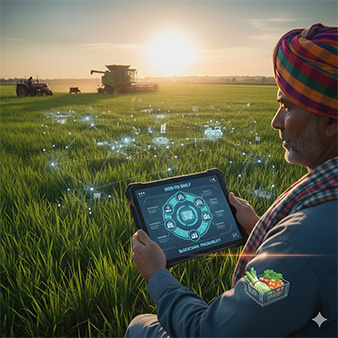
Agriculture is shifting from productivity to provability. As global due diligence and sustainability regulations tighten, transparency is no longer optional; it is market access. For smallholder-driven economies, fragmented traceability pilots cannot manage systemic compliance risk. Traceability must evolve into Digital Public Infrastructure (DPI): population-scale, interoperable, consent-based, and built as a public good.
This requires verified identities, geo-referenced land records, standardised supply chain event capture, and secure data governance. When physical production is mirrored in trusted digital systems, supply chains gain accountability and nations gain competitiveness. The next phase of agricultural trade will be defined not just by commodity power, but by credibility power.
Reimagining EPR in the Digital Age

In 2026, TRST01 drives sustainability through innovation, impacting 850,000+ farmers across 10 countries. Its platforms ensure supply chain transparency, compliance with global regulations like EUDR, and real-time dMRV solutions. By empowering communities, enabling net-zero strategies, and promoting circular economies, TRST01 redefines transparency and accountability for a sustainable future.

Shaping a Greener, Smarter World

In 2024, TRST01 drives sustainability through innovation, impacting 250,000 farmers across 10 countries. Its platforms ensure supply chain transparency, compliance with global regulations like EUDR, and real-time dMRV solutions. By empowering communities, enabling net-zero strategies, and promoting circular economies, TRST01 redefines transparency and accountability for a sustainable future.

Sustainability Through Traceability

Traceability is the cornerstone of sustainability, enabling transparency, compliance, and trust across supply chains. It empowers producers, ensures ethical sourcing, and aligns environmental and social goals with profitability. By leveraging technology and data, traceability transforms supply chains into transparent ecosystems, driving measurable impact and unlocking rewards for businesses and stakeholders alike.

MoU with Rubber Board 

TRST01 inks MoU with Rubber Board to boost EUDR compliance for Rubber Products Exporters 12th

Sustainability and TRST01 Technology Innovation

Sustainability is about balancing environmental stewardship, social equity, and economic viability for current and future generations. TRST01 leads in sustainable technology with innovations like TRST01Chain, TRST01 Footprint, and TRST01 dMRV, which connect these pillars, enabling organizations to achieve their sustainability goals through transparency, impact measurement, and precise monitoring.

Driving Global Impact: Regulation, Technology, and Adoption

The EUDR and TRST01Chain exemplify the synergy between regulation, technology, and adoption in advancing sustainability. The EUDR aims to combat deforestation, while TRST01Chain offers cutting-edge traceability solutions. Together, they foster global collaboration, enhance transparency, and drive impactful actions towards achieving net-zero goals and sustainable agricultural practices.

Blockchain Revolutionising Provenance Global Supply Chains

Blockchain technology revolutionizes agricultural and mineral supply chains by enhancing transparency, ensuring safety, combating corruption, and promoting sustainability. Real-world examples like TRST01Chain, IBM Food Trust, and Everledger demonstrate its impact. By improving regulatory compliance, reducing costs, and supporting ethical practices, blockchain fosters responsible, efficient, and resilient supply chains, benefiting shareholders, communities, and the planet.

Supply Chain Innovation TRST01Chain

TRST01Chain revolutionizes rubber and coffee supply chains by enhancing sustainability and ensuring EUDR compliance, providing transparency, traceability, and efficiency while promoting ethical practices and environmental responsibility.

EUDR Coffee : Between the Cup and the Lip

The EU Deforestation Regulation (EUDR) presents significant challenges for coffee-producing countries. Compliance with EUDR requirements, such as farm mapping and paperwork, may increase costs and impact smallholder growers. However, leveraging advanced technology like TRST01Chain can streamline compliance, ensuring market access and maintaining sustainable coffee production for the European market.